When the gates finally opened at Six Flags Qiddiya City, the global attractions industry was watching. Years of ambition, investment, engineering, and expectation converged in a single moment, marking not just the launch of a theme park, but the arrival of a new benchmark for scale, spectacle, and operational complexity in the Middle East. For operators, manufacturers, and designers alike, this was the project everyone had been talking about and the one that will be referenced for decades to come.
At the centre of that moment stood Neil Dwyer, Vice President of Operations, carrying what many in the industry would recognise as a once-in-a-lifetime responsibility: transforming one of the world’s most ambitious park developments into a living, breathing destination, ready for its first guests. From frontline training and safety systems to climate strategy, guest flow, and supplier partnerships, few roles in modern theme park history have carried such breadth, visibility, and consequence.
In this exclusive interview with InterPark Magazine, Neil reflects on the emotion of opening day, the realities behind building a park from scratch in a new market, and the leadership philosophy that shaped the operation from day one. He speaks candidly about pride and pressure, partnership and people, and why this project represents far more than a successful launch – it represents a shift in what is possible.
For an industry that thrives on innovation, collaboration, and bold thinking, this is a rare opportunity to hear directly from the person tasked with turning one of the world’s most talked-about attractions projects into a sustainable, world-class operation.
InterPark: I would expect that most of InterPark’s readers have already watched the wonderful opening ceremony, but if you could freeze one moment from the opening ceremony and keep it forever – what would it be, and why?
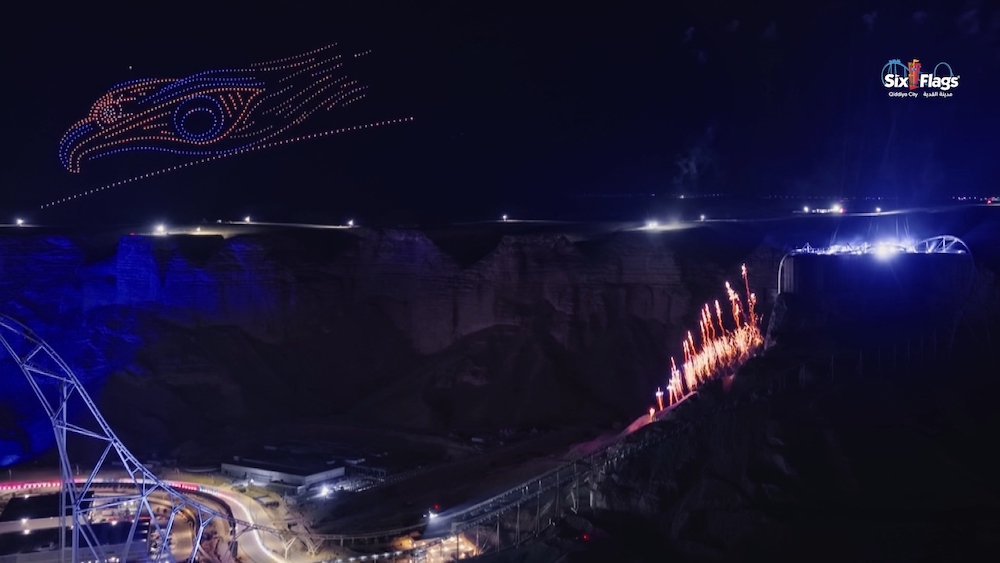
Neil Dwyer: If I could freeze one moment, it would be the instant the theme park lights came up, and the crowd reacted almost as one. That collective intake of breath told me something important; people didn’t just see a theme park; they felt it. That moment captured years of work, thousands of hands, and a shared sense of anticipation turning into reality.
IP: What did you feel most proud of on opening day – and what made you quietly nervous?
ND: I was most proud of our people. Watching team members who had trained for months step confidently into opening day roles was incredibly rewarding. Quietly nervous? The unknowns you can never fully rehearse; weather, guest flow, first-day emotions. You prepare relentlessly, but opening day always has a heartbeat of its own.
IP: When you finally saw guests inside the park, what was the very first thing you found yourself watching?
ND: Guests’ faces. Especially families. I found myself watching body language; how people moved, paused, smiled, and reacted. Those micro-moments tell you very quickly whether the experience is landing the way you intended.
IP: Was there a moment where you thought: “This is bigger than a theme park launch – this is history”?
ND: Yes, it happened when I stepped back and watched how naturally guests were experiencing the park. Seeing Saudi families, young people, and our own team members engaging with attractions of this scale, attractions that don’t exist anywhere else in the world, made it clear this was about more than opening day. This theme park represents a shift in what’s possible in the Kingdom. It’s not just a new entertainment offering; it’s a signal of ambition, capability, and confidence. In that moment, it felt less like a launch and more like a milestone; one that will be looked back on as part of a much bigger story.
IP: You’ve built a career across major brands and major regions. What are the most important lessons you carried into Saudi Arabia from your earlier roles?
ND: Three lessons stood out. First: culture matters more than playbooks. Second: build teams before you build systems. And third: humility travels well. Saudi Arabia rewards leaders who listen, adapt, and respect the ambition of the market rather than trying to impose legacy thinking.
IP: Six Flags Qiddiya City has often been described as “not a typical Six Flags park.” In your own words – what makes it fundamentally different?
ND: Six Flags Qiddiya City isn’t about cloning a formula; it’s about re-imagining what thrill means in this region. From the ride portfolio to the theming, from climate considerations to guest comfort, everything was designed specifically for Saudi Arabia. It’s a Six Flags park, but it’s also something entirely new.
IP: What does it mean to you personally to be trusted with a project of this scale and visibility?
ND: It’s deeply personal. Projects like this don’t come along often in a career. Being trusted with something of this scale is both an honour and a responsibility; not just to the brand, but to the people who will experience it and the teams who brought it to life.
IP: What is the most underestimated challenge of opening a park this ambitious from scratch?
ND: Integration, especially because this is the first theme park of its kind in Saudi Arabia. We weren’t just opening a theme park; we were helping build an entirely new industry in a new market. That meant developing local knowledge, training frameworks, operating models, and guest expectations simultaneously, while also delivering attractions at a world-first scale. Bringing construction, operations, safety, technology, training, and guest experience together for the first time in the Kingdom made this a true world-first effort, not just in rides, but in how the entire theme park came together.
IP: How did you approach building the leadership team – what roles did you hire first, and what traits mattered most?
ND: From day one, our focus was on recruiting strong leadership while intentionally developing Saudi talent into a brand-new theme park industry. We hired experienced theme park leaders first in operations, safety, maintenance, guest experience, and people leadership, but in parallel we launched multiple programs to integrate, train, and develop local Saudi team members into those functions. Traits mattered more than titles: adaptability, humility, and the ability to coach others. Our goal was never just to import expertise, but to transfer it and build a sustainable, locally rooted leadership pipeline within the theme park.
IP: How are you thinking about career progression? Can someone join as an operator and build a long-term career at Six Flags Qiddiya City?
ND: Absolutely, and I’m living proof of that path. Even though I hold advanced degrees in the theme park field, the most valuable experience I bring to this role started when my parents made me get my first job at 17. I worked front line as a ride operator and progressed through the ranks. You simply cannot lead a theme park successfully if you’ve never experienced the guest journey from the front line. At Six Flags Qiddiya City, not only is that progression possible, it’s actively encouraged. We want people to grow from operations into leadership because the strongest theme park leaders understand the guest experience from the ground up.
IP: What’s your approach to coaching leaders – especially the “middle layer”?
ND: The middle layer is the heartbeat of the theme park. We coach by empowering decision-making, encouraging ownership, and creating clarity. When middle leaders feel trusted and supported, everything downstream improves.
IP: When you think about the suppliers and partners involved, what does “a great supplier relationship” look like to you in real life?
ND: A great supplier relationship is long-term, not transactional. We didn’t just buy rides or entertainment for a theme park; we built partnerships focused on shared success over many years. With a theme park of this scale, transparency, accountability, and alignment around the guest experience are essential. When suppliers see themselves as part of the theme park journey rather than a single delivery milestone, the outcome is always stronger.
IP: Can you share an example of a supplier partnership where the collaboration genuinely improved the guest experience or operational outcome?
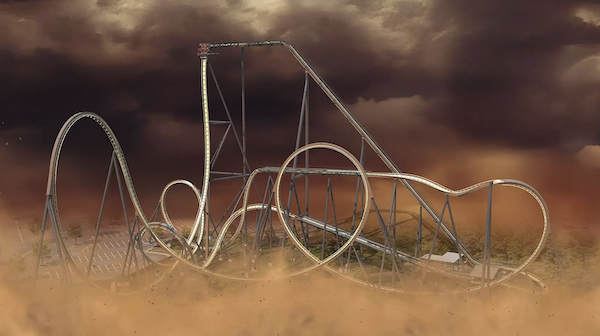
ND: Our relationship with Intamin is a great example. Falcons Flight wasn’t a short-term engagement; it was a multi-year collaboration. Our teams spent weeks in each other’s offices, working side by side to engineer something that had never been done before in a theme park. It wasn’t about delivering a ride; it was about engineering success together. That level of trust, shared problem-solving, and commitment is what turned an ambitious theme park idea into a reliable, operational attraction guests can experience today.
IP: What’s the best piece of advice you’ve received from a supplier or project partner during the Six Flags Qiddiya City journey?
ND: Always put yourself in the footsteps of the guest. Go experience the ride, the food, the retail, and the queue exactly as a guest would experience them in the theme park. Ask yourself honestly: do I like this? Does this feel right? That mindset shaped how we engineered experiences across the theme park and kept decisions grounded in how people actually experience their day.
IP: Are there any individuals – on your internal team or among partners – who you feel deserve more recognition than they’ve received publicly or within the industry?
ND: There are far too many people to name. Of course, our frontline operators, technical teams, and leadership deserve enormous credit for bringing the theme park to life every day. But industry-wide, this project benefited from collaboration across thousands of theme park professionals globally. People opened their doors, shared insights, and worked collectively to make the theme park industry safer, better, and more ambitious. This theme park exists because of that shared willingness to collaborate.
IP: Let’s talk about the subtleties: what do you believe are the top three “invisible” factors that make or break a guest’s day?
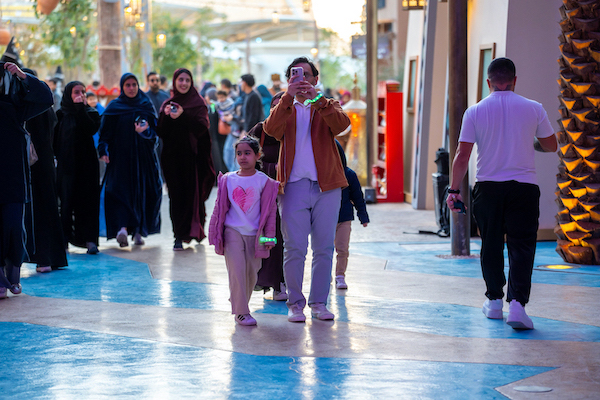
ND: First is truly understanding local Saudi guest needs; how families visit together, how long they stay, and what makes them feel welcome and comfortable. Second is clarity: clear wayfinding, communication, and expectations so guests can focus on enjoying the day rather than figuring things out. Third is ensuring the experience works for every type of guest, whether someone is here for record-breaking thrills, a relaxed family day, or visiting as a tourist exploring Saudi Arabia for the first time; so everyone feels the theme park was designed with their needs in mind.
IP: In Saudi Arabia, comfort isn’t optional – it’s part of the product. What has Six Flags Qiddiya City done to ensure guests feel looked after?
ND: Comfort is core to our product. From shaded pathways to hydration access, from outdoor cooling systems to VIP experiences, we designed the theme park around how guests actually move and unwind; not just how attractions perform.
IP: What’s your philosophy on shade, seating, misters/fans, rest zones and pacing – especially for families and multi-generational groups?
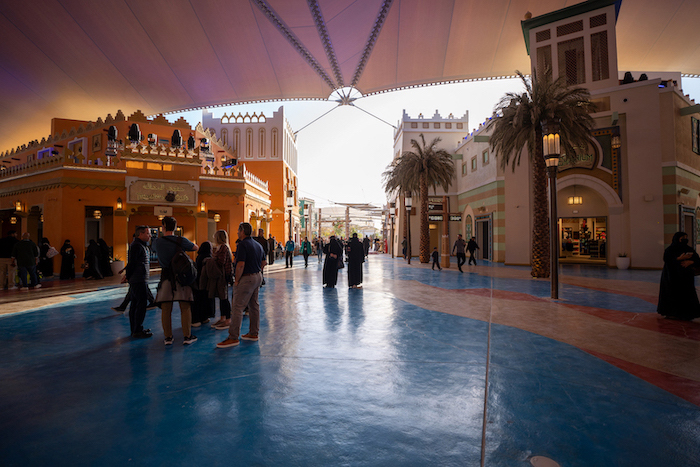
ND: We see these elements as strategic tools, not amenities. In our climate, guest experience can be directly impacted by environmental factors, so shade, seating, cooling, and rest zones are imperative to how the theme park functions, not optional extras. Thoughtful pacing allows families and multi-generational groups to move comfortably through the day, stay longer, and enjoy more of what the theme park offers. When you design around climate realities, you protect the quality of the experience and give guests the freedom to enjoy the theme park on their own terms.
IP: Food & beverage is where guests form opinions fast. What’s the goal for Six Flags Qiddiya City & Aquarabia F&B – speed, quality, local identity, variety, value?
ND: We look at food and beverage holistically as part of the theme park experience, not just a service function. Speed, quality, value, local identity, and variety all matter, and they need to work together. With 29 outlets at Six Flags Qiddiya City, we want food to be one of the reasons guests return to the theme park, knowing there is always something new to discover and that F&B is a meaningful part of the overall theme park experience.
IP: What’s one guest service detail you’re obsessed with getting right – even if most people never consciously notice it?
ND: Immersion. We want guests to feel fully immersed in each of the six lands, not just through attractions, but through layers of detail; theming, audio, environmental cues, and how spaces transition from one experience to another. When sound, design, and atmosphere are working together, guests feel present in the story without having to think about it. Most people may not consciously notice those details, but they absolutely feel the difference when immersion is done well.
IP: How do you think about capacity and throughput in a park like this – what’s the philosophy for keeping energy high without making the park feel crowded?
ND: Energy comes from flow. Throughput matters, but so does perception. Our goal is to keep excitement high without guests feeling rushed or compressed.
IP: We were very impressed by the detailing of The Enchanted Greenhouse queue line. What’s your approach to queue experience design across the park?
ND: We see queues as an opportunity, not just a necessity. Our approach is to immerse guests through creative storytelling that sparks imagination and builds anticipation before they ever step onto the attraction. Whether it’s The Enchanted Greenhouse or other experiences across the theme park, we designed specific queues to extend the story through theming, visual detail, and sound, so waiting feels like part of the journey rather than a pause in it. When a queue engages the imagination, it changes how guests perceive time and elevates the entire experience.
IP: Considering Six Flags Qiddiya City and Aquarabia together. What’s the opportunity – and the complexity – of running two major parks side by side?
ND: The opportunity is scale and seamless integration. Shared teams, shared security, shared guest operations, and shared standards allow both theme parks to operate more efficiently while delivering consistency. Many teams trained and learned within Six Flags Qiddiya City specifically to prepare for Aquarabia, ensuring the water theme park opens seamlessly. The complexity comes in maintaining distinct identities for each theme park while benefiting from shared infrastructure, but when done right, it creates a true destination rather than two separate theme parks operating independently.
IP: Do you see Six Flags Qiddiya City and Aquarabia attracting different audiences, or the same guests on different days?
ND: Both. We see clear differences in how guests choose to experience each theme park, but also strong overlap. Some guests will visit Six Flags Qiddiya City specifically for record breaking thrills, while others are drawn to Aquarabia for a full day, family focused water experience. At the same time, many guests, especially families, tourists, and multi day visitors, will plan their visits across both theme parks on different days. Together, they offer flexibility, variety, and the ability for guests to shape their experience based on mood, group type, and season, which is what ultimately turns a visit into a true destination stay.
IP: Now that the park is open, what are the next stages operationally – what’s the “year one” focus?
ND: Year one is about stabilizing, refining, and listening. Opening a theme park of this scale is only the beginning, so our focus is on strengthening daily operations, continuing to train and develop our teams, and fine tuning the guest experience based on real world behavior. We will be closely reviewing how guests move through the theme park, how attractions perform over time, and how our service standards hold up across different seasons and crowd profiles. The goal is to build consistency, reliability, and confidence across the operation while making thoughtful adjustments that elevate the experience and set a strong foundation for long term success.
IP: What will you be measuring most closely in the first 6-12 months?
ND: We will be closely tracking a combination of guest, team, and operational indicators. Guest satisfaction and repeat visitation will tell us whether the experience is resonating, while safety performance and attraction reliability will confirm that the fundamentals are strong. We will also be measuring team engagement and development, particularly as we continue to hire and train local Saudi talent. Together, these metrics give us a clear picture of whether the theme park is delivering a consistently high quality experience and building a sustainable operation for the long term.
IP: On a personal note, you’ve lived and worked in the MENA region for many years, how do you relax and enjoy your time off? Hobbies, sports, exploration or anything else the kingdom has to offer.
ND: I’ve been fortunate to call the MENA region home for many years, so my time off is really about enjoying everything the region has to offer and spending quality time with family who live here. I love travelling and exploring, whether that’s discovering new cities, experiencing different cultures, or getting out into nature. The natural beauty across the region is incredible, from deserts and mountains to some truly spectacular coastlines. Scuba diving is a particular passion of mine, especially in the Red Sea, which offers world-class diving and is one of the best ways for me to fully switch off and recharge. More than anything though, it’s about connection; spending time with family and friends, sharing experiences, and being present. Having my family here has made this part of the world feel like home, not just a place where I work on a theme park, and that balance is something I really value, especially with the famous Saudi hospitality.
Images: Six Flags Qiddiya City