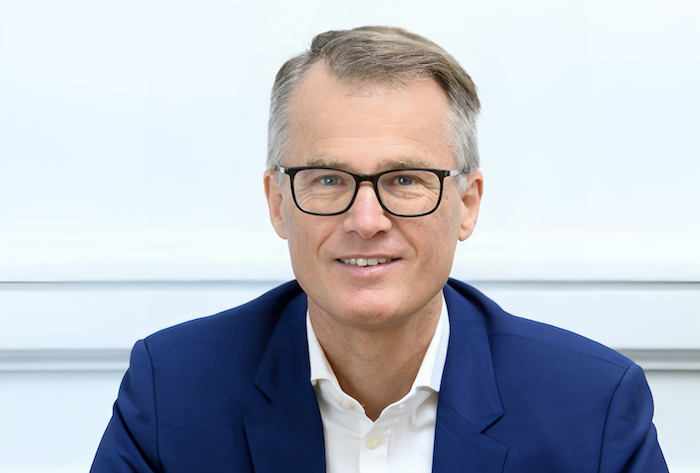
InterPark publisher John Fosbrooke spends some time with Geoff Chutter to discuss his path into the attractions industry.
InterPark: Looking back on your childhood, your time in Europe and your studies at the University of Toronto, what early experiences had the biggest influence on the person and business leader you became?
Geoff Chutter: I had a great childhood and one of the big influences was a sense of integrity and rolling up your sleeves. My parents took the risk in the mid-1960s of moving the family to Europe and I attended the American School of Paris. We travelled extensively and it opened my eyes to the wider world.
My father was an engineer and very hands-on. We never had tradesmen in the house; he would always pitch in in and fix things himself. That attitude definitely stayed with me.
IP: Before WhiteWater, did you ever imagine you would one day work in the attractions industry?
GC: Not at all. In my final year at high school I took one of those aptitude tests and it suggested I should become a funeral director – quite literally a dead-end career.
Looking back, perhaps the first sign of the attractions industry came when a friend and I built our own improvised ride in the backyard. We used extendable wooden ladders, an apple box and soap to grease the runners. I don’t know why that memory stands out, but I suppose it was my first introduction to amusement rides.
I came from an entrepreneurial family, although I began my career as a chartered accountant(CPA) with KPMG. After about four years, however, I realised I couldn’t see myself being an auditor for the rest of my life.
IP: Is it true that the first time you rode a waterslide was when you opened your own park in 1981?
GC: That’s absolutely correct. I was motivated by extreme naivety and I found a bank that was perhaps even more naïve than I was.
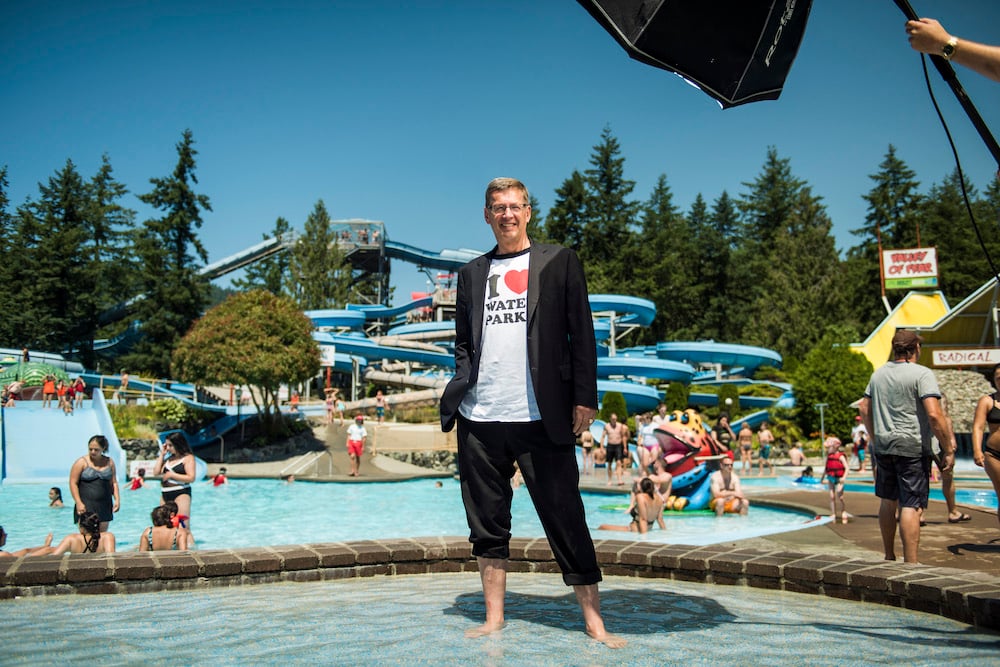
I had seen a small waterslide park and started looking for land in British Columbia. I eventually acquired a site and built a waterpark, despite never having built anything like it before. The day before the official opening was the first time I had ever been down a waterslide.
The industry barely existed at that time. You couldn’t simply go out and buy waterslides, so we had to develop our own moulds and systems. That turned out to be fortunate because several people came to me and said, “I’d like to do this in my hometown. Will you help me?”
That was the pivot from being an operator to becoming a developer and manufacturer. By and large, the rest is history.
IP: How quickly did you realise WhiteWater’s future would be in design and manufacturing rather than operating parks?
GC: Fairly quickly. I was not especially motivated by selling tickets and ice cream. What excited me was the creative side, the development side and the sales side.
Those first few projects gave us momentum. We didn’t need major financing and they allowed us to move naturally into design and manufacturing.
IP: You attended your first IAAPA Expo in 1982. What was the industry like at that point?
GC: Our booth was incredibly basic. We had office panels with cardboard squares and designs held up by paperclips.
What struck me most was that, although IAAPA had “International” in its name, the show was still overwhelmingly American-focused at that time. The international outlook came much later. Coming from Canada, and having lived in Europe, I always liked the idea of the “I” in IAAPA, but for many years it was largely an American show.
The industry has changed enormously. Today we have a substantial presence at IAAPA, but back then we were a very small player finding our way.
IP: In those early years, did you have a clear long-term vision for a global WhiteWater?
GC: I would love to say that, given my commerce background, I had written a meticulous business plan and was simply executing it. But that would not be honest.
Even starting as an operator and pivoting into manufacturing was not part of the original plan. The international side came quite naturally. Many American companies were focused on the domestic market and were slower to look globally, which created opportunities for us.
Two of the people who joined WhiteWater early on had international backgrounds: one was Scottish and one was born in Switzerland and raised in Belgium. Combined with my own European experience, international business felt very natural to us.
In this industry, we are focused on families and putting smiles on people’s faces. That translates across cultures.
IP: WhiteWater has often succeeded in regions where people initially believed waterparks would not work. Did those warnings motivate you?
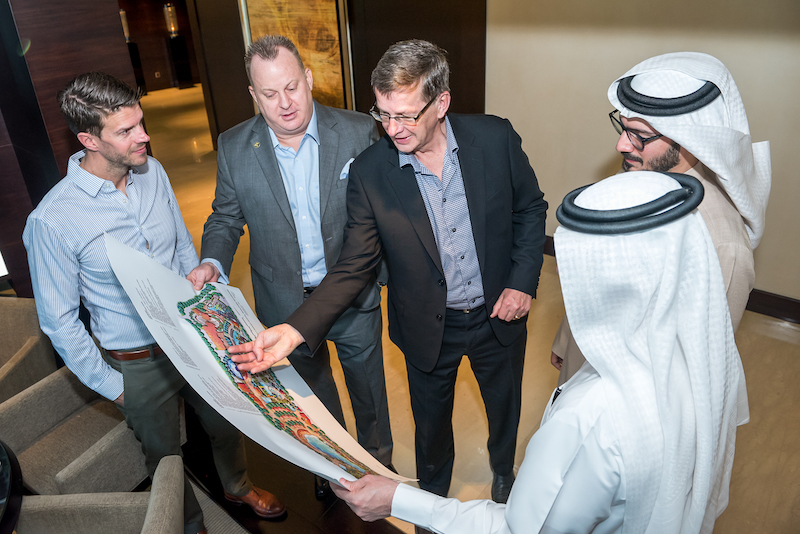
GC: Yes, and there were many examples. In Japan, people told us waterparks would not work because the Japanese did not like the sun. In South Africa, people said the population did not swim. In the Middle East, there were cultural questions around swimwear and family participation.
But in each case, the assumptions proved too narrow. A waterpark offers something for all ages. Parents, teenagers and young children can all find something they enjoy together.
I remember an older gentleman coming to our booth after IAAPA one year. He told me that, if he could relive one day of his life, it would be the day he took his family to a waterpark. He said everyone was happy, and for days afterwards they talked about it together. That really resonated with me. It summarises why this industry has grown: it creates shared family memories.
IP: You have often spoken about patience, trust and relationship building in Asia. Why was that so important?
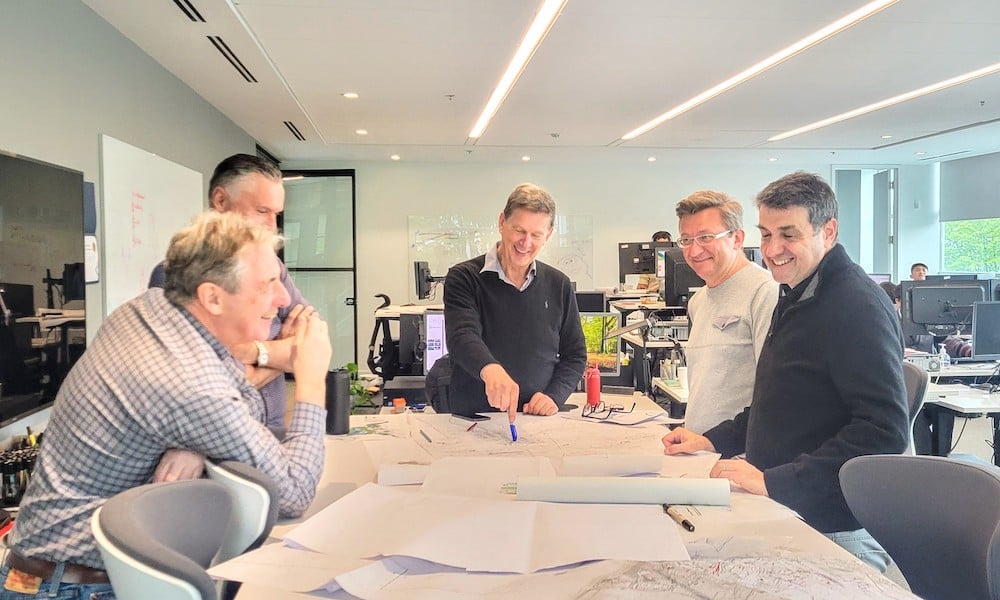
GC: In Japan, for example, it was often said you could not properly crack the market before five visits. That was all about relationships and trust.
Fortunately for us, patience was part of our approach. We were willing to keep going back, keep listening and keep building confidence. That made a real difference.
At WhiteWater, we later had a consultant talk to us about business strategy as a triangle between innovation, operational excellence and customer intimacy. Our engineers naturally said we were all about innovation, but after a long discussion we agreed that our defining lens should be customer intimacy.
That decision has guided us ever since. It influenced whether we opened offices close to key markets, including the Middle East. If customer intimacy is your focus, then of course you need to be close enough to support clients properly.
It does not mean you ignore innovation or operational excellence, but it does mean the final decision is always viewed through the relationship with the customer.
IP: What were the biggest challenges in building a company with local offices, manufacturing partners, sales teams and service support around the world?
GC: It is a combination of delivery time, delivery cost, quality and sustainability. If you are manufacturing closer to the project, your response time improves and you reduce unnecessary transport.
There is a cost, of course. Tooling is expensive and building regional capability requires investment. But our view has always been to think long game, not short game.
IP: WhiteWater evolved from a waterslide company into a business covering waves, interactive play, surf attractions, technology and next-generation slides. Why was it important to become a complete solutions company?
GC: Again, it was not in the original business plan. But once you look back and see what has worked, you ask where else that thinking can apply.
Early on, we brought engineering in-house. Then we realised many customers were going to local architects who did not really understand the economics of waterparks. Some plans looked impressive, but they were not necessarily going to help the operator succeed. So we developed our own planning services.
There is also an integrity question. If I am only a slide manufacturer and a customer comes to me, guess what I am going to sell them? Slides. But if we can look at the whole park and ask what the real issue is – capacity, young children, family attractions, waves, play, revenue – then we can guide them to a better solution.
That is where customer intimacy matters. A complete catalogue allows us to identify and solve the actual problem, rather than simply sell the product we happen to make.
IP: Guest expectations have changed significantly over the years. What do visitors want from a waterpark today that they did not expect 20 or 30 years ago?
GC: Early waterparks were simple. Our first slides in 1981 were four body slides from one central tower. They were almost the same slide going in different directions.
Over time, the industry moved toward shared experiences. Inner tube slides, double tubes, rafts and then six-person rafts changed the dynamic. A family could experience the attraction together, face to face, rather than one behind the other.
That is powerful. When parents see their children’s faces light up, that is what the experience is really about.
IP: Which WhiteWater products or technologies do you feel have had the greatest impact on the industry?
GC: WhiteWater’s business model is quite different from many manufacturers. A lot of companies are single-product businesses. We now have multiple divisions, each with its own president, sharing certain resources but operating with real responsibility.
The synergy between those divisions is important. FlowRider, for example, goes into waterparks but also into other types of venues. Hopkins Rides gave us a foot in both amusement rides and waterparks. Interactive play, waves, slides, surf and technology all support one another.
Two recent areas are particularly exciting: Vantage and Endless Surf.
Vantage brings technology, data and guest experience together. It can open lockers, connect to video and social media, help operators understand guest behaviour, increase revenue and reduce costs. The potential is not limited to waterparks.
Endless Surf is also very exciting. Surf parks are becoming a new culture in their own right. Developers increasingly see surf as an addition to resorts, residential communities and destination venues. For us, the opportunity is not only to serve expert surfers, but to create surfing experiences for families.
That means thinking about food and beverage, entertainment, younger children and the wider guest visit. It becomes an event, not simply an hour of surfing.
IP: Sustainability is becoming a much bigger priority for operators and suppliers. How is WhiteWater responding?
GC: Sustainability has become increasingly important and WhiteWater has invested heavily in cleaner manufacturing. We have ISO 14001 certification and have also achieved surf-related certification.
One of the major steps was resin transfer moulding. Traditionally, fibreglass manufacturing could involve significant emissions. With resin transfer moulding, the process is cleaner, the product is smoother on both sides and the finished quality is very high.
That is particularly important in sectors such as cruise ships, where guests are close to the product and the finish really matters. But it is also important for the health of workers and the wider environment.
Certification now matters a great deal, and responsible manufacturing is becoming an essential expectation.
IP: Why are environmental stewardship and philanthropy important to you personally?
GC: It comes from family. My brother and sister are owners of large cattle ranches, and you are only good at that if you are a custodian of the land. If you overgraze or overharvest, bad things happen down the road.
I worked on cattle ranches in my youth and that respect for the environment is strong. As the years go by, it becomes even more important. We may not see all the benefits ourselves, but our children will.
IP: You have also supported organisations such as Covenant House Vancouver. How important is it for business leaders to give back?
GC: I was a Director of Covenant House for nine years, including as Treasurer. It is an organisation focused on homeless youth, but it is not simply about handouts. It provides structure, accommodation, education and support to help young people re-enter the community.
I found that work extremely rewarding. Business leaders have a responsibility to contribute beyond their own companies where they can.
IP: WhiteWater now works on projects everywhere from China and Vietnam to Qatar, Saudi Arabia and Bali. Which markets offer the greatest opportunities for the future?
GC: There are several. China was our number one market for many years because of the population, weather and family structure. It has not fully recovered from the Covid era, but we are seeing it come back. If China comes back strongly, Asia comes back strongly.
India and Africa are longer-term opportunities. The Middle East remains very exciting, particularly with the scale of projects in Saudi Arabia, Qatar and the wider region.
The surf sector is also one of the most exciting areas for us. It is not only about putting surf attractions into waterparks. Developers are seeing surf as part of high-end resorts, residential communities and destination leisure. That creates new possibilities.
The key for us is to build experiences around families, not just expert surfers. Mum, dad and the children should all have reasons to stay for several hours. That is where food, entertainment, children’s play and waterpark elements all connect.
IP: When you reflect on the growth of WhiteWater from a small Canadian waterpark into a global company, what makes you feel most proud?
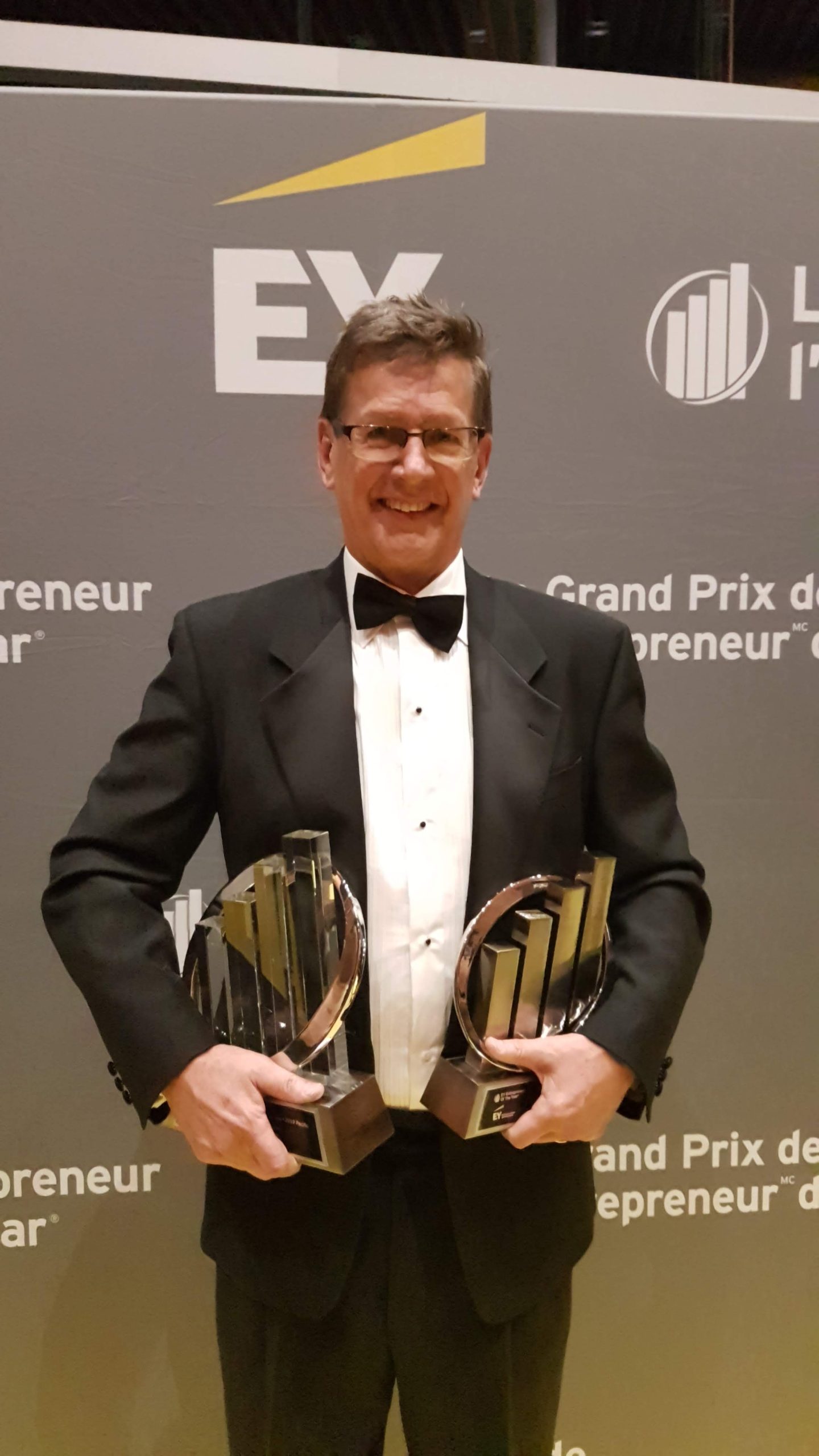
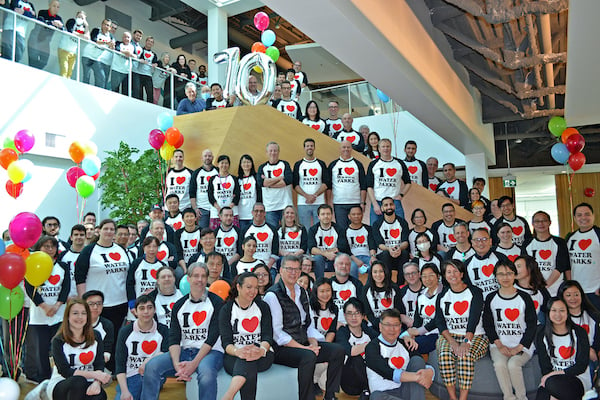
GC: Each business unit has had its own highlights, but what makes me proud is the team and the continued passion for new ideas.
Endless Surf and Vantage are both huge opportunities. Endless Surf is already proving itself, and I do not think there is any glass ceiling for Vantage. It is not simply a waterpark technology. One of the early contracts was with San Antonio Zoo, which shows how widely it could apply.
Ultimately, park owners want to increase revenue and reduce costs while improving the guest experience. If technology can help do that, it has enormous potential.
IP: What advice would you give to a young entrepreneur entering the attractions industry today?
GC: Take the risk, especially when you are young enough to start again if things go wrong.
Spend time figuring out what you are passionate about. For me, it was entrepreneurship: creating, developing and building.
The other major lesson is about people. One of the most influential books for me was Good to Great, and the big takeaway was: get the right people on the bus sitting in the right seats.
The people side is hugely important. I have been fortunate to work with a great team of men and women. If you can find people with the same passion, and you invest in them properly, it comes back many times over.
IP: Which awards or accolades have meant the most to you personally?
GC: There are corporate and personal sides to that.
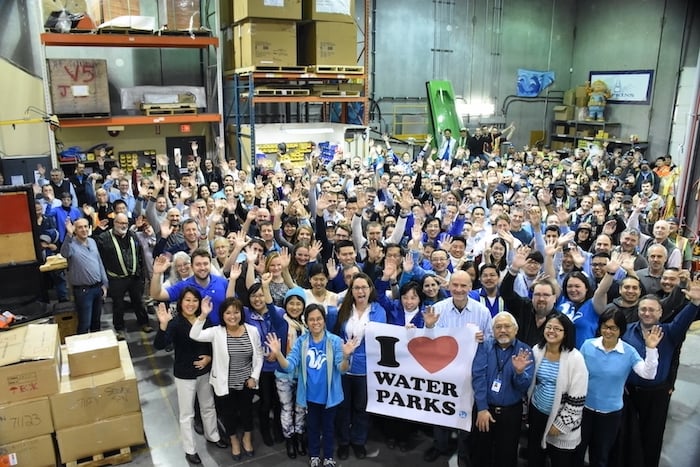
Corporately, WhiteWater qualifying for the Platinum Best Managed Canadian Company Award is very meaningful. We have had Best Managed Gold status for a number of years, but the Platinum level is special because it reflects the whole company. It is not about me or only the senior leadership team; it is about everyone pulling their weight.
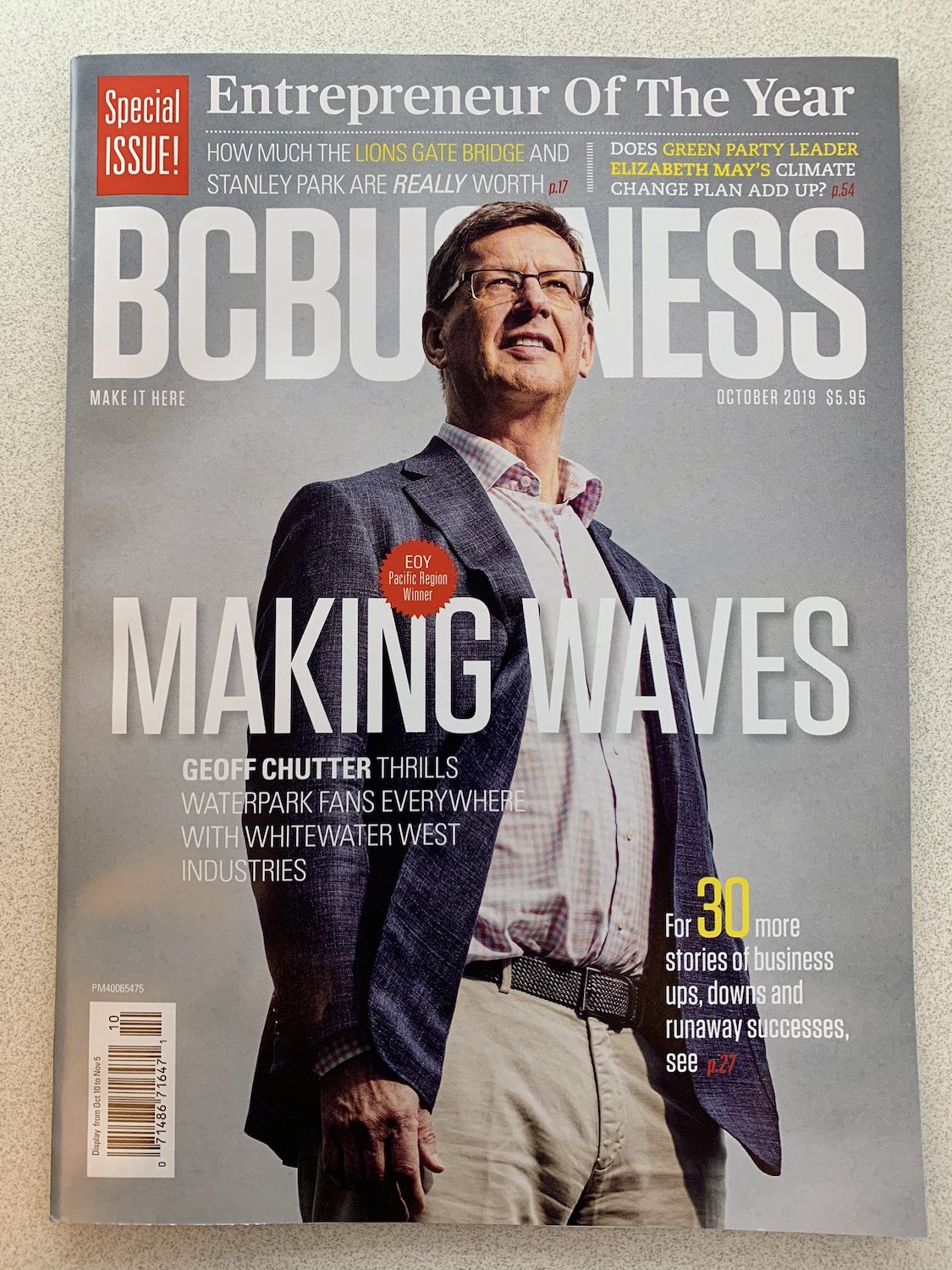
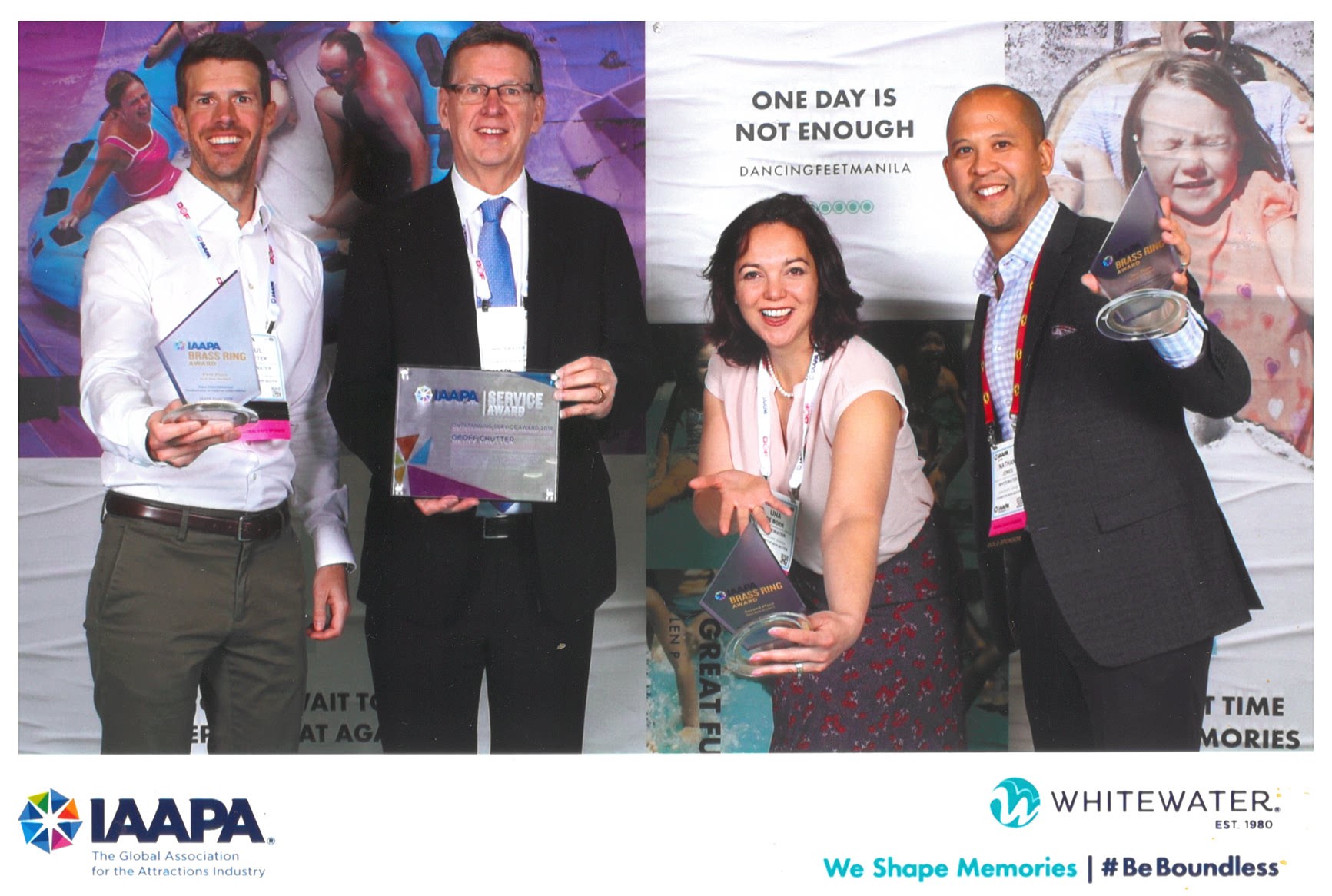
Personally, there are three honours that stand out. Being made a Fellow of the Canadian accounting profession was very important to me. Being inducted into the IAAPA Hall of Fame was emotional and a great honour. And being named Canada’s Entrepreneur of the Year was hugely gratifying.
___________________________________________________________
Quickfire Questions
IP: Horse riding or bike riding?
GC: Bike riding. I enjoy horseback riding, but these days I am more likely to go out on an electric bike.
IP: Favourite book, or what is on your coffee table right now?
GC: Good to Great has been very influential. I have also been reading about Churchill and his family.
IP: What destination is still not ticked off your travel list?
GC: Ireland. I am going to fix that in September after IAAPA in London.
IP: An afternoon in Paris – what would you do?
GC: Sit on the Champs Elysees enjoying mussels, fries and a glass of wine.
IP: A favourite childhood character who has not been fully picked up as an IP?
GC: Popeye, Olive Oyl and Brutus.
IP: If something is broken and you could fix it, what would it be?
GC: Political policy. That is part of my passion.
____________________________________________________________________
Images: Whitewater West