The witching hour of Halloween has arrived once more, featuring haunts, scare zones and Halloween decor. And yet, the Halloween season has been in full swing for months. Its exponential popularity in recent years has seen the scream season become a record $13.1 billion revenue juggernaut for the US leisure and retail sector alone in 2025. The booming revenue is driven primarily by spending on costumes, sweets, and decorations. The huge economic impact correlates to significant boosts to the hospitality sector through special events like haunted houses and themed hotel stays, and overall revenue for retailers, manufacturers, and seasonal businesses. The Halloween industry has grown significantly in the last decade, with increased competition and higher guest expectations, leading to a need for unique and personalised experiences to quench the thirst of a far more demanding and personalised type of visitor.
This demand has been demonstrated year after year with Halloween significantly boosting hotels, restaurants, and theme parks, which host special events like costume contests, themed packages, and haunted tours. The Halloween season is a major driver for businesses like haunted attractions, which can see significant profits during this time. This creates the opportunity for further seasonal employment with a significant upturn in temporary jobs in retail, manufacturing, and event operations. Ultimately, this demand creates a huge profitability – for theme parks, especially, who report around a 25% or more profit margin.
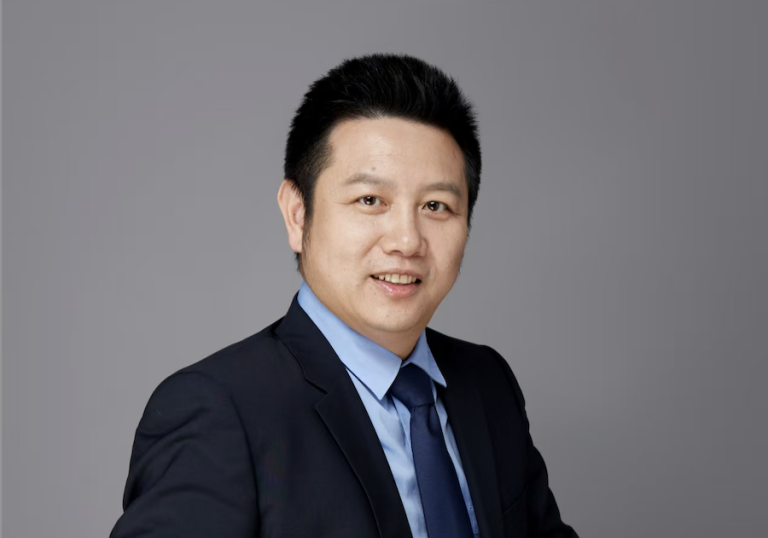
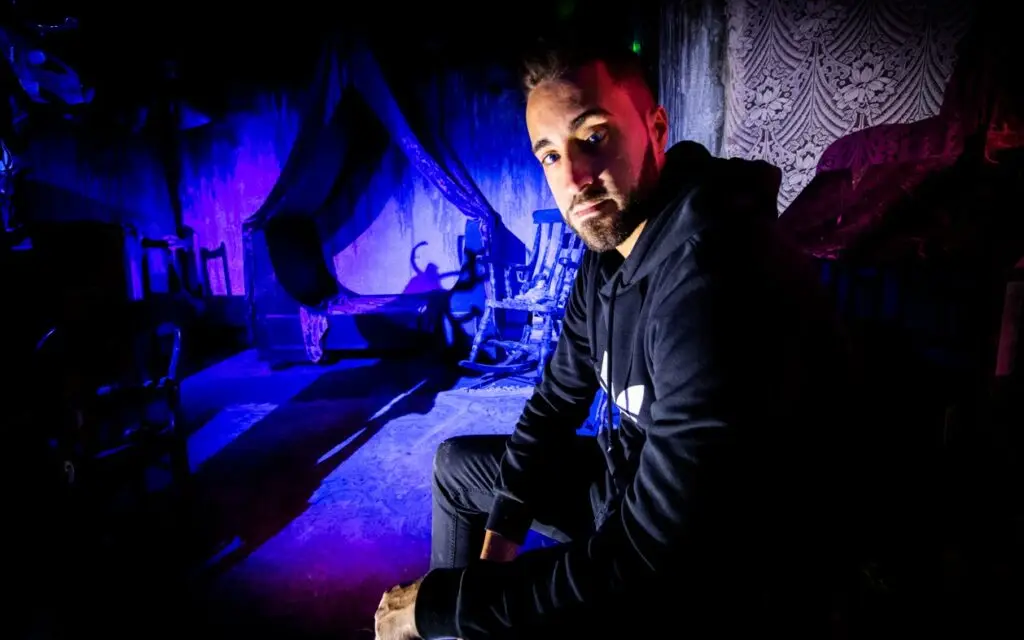
So why is Halloween so popular nowadays? And what is the blueprint for a successful Halloween attraction? InterPark exclusively spoke to Mark Lofthouse, Senior Manager and Business and Client Strategy at RWS Global and Owner and Creative Director at Neon Skull, who gave us a frighteningly revealing insight into the world of Halloween. Mark discusses his extensive experience in the Halloween attraction industry, from scare performer to expert consultant, reflects on the evolution of Halloween and future trends on the horizon.
What does Halloween mean to you?
“Halloween is a nostalgic time to me. I think it is a time of fun and a time that takes me back to being a child. I always remember when I was young, we used to dress up in our Halloween parties every single year.
“So, I think Halloween for me is a bit of a nostalgic celebration of family. I can still remember when I was four or five, there’s a picture that I’ve got at home of me dressed as Dracula in a bean bag cape and as bad as you can imagine! And whenever I think of Halloween, it just takes me back to that time. It’s the most like wholesome time for me, a time of great comfort. I’ve got a lot of amazing memories around Halloween, dressing up as a Mummy, Dracula, I’ve done loads of different ones. I’ve got so many photos of me year after year dressing up. I suppose I’ve got my dad and my mum to thank for me being weird now!”
What does your job entail with Halloween theme attractions?
“I’ve worked in Halloween attraction for 17 years. I started as a performer in a scare maze. I was a scare actor, and I’ve always had a deep love for theme parks, for theatre. And for me it was a really quick way into the industry and to get involved in the industry. So, I was a scare actor for theme parks and then I became a creative director of scare mazes at theme parks. Overall, I’ve worked on about 155 different scare mazes in 17 years, so I think I’ve got this weird niche. I work predominantly on a consultancy basis, so I tend to work with new businesses starting up, people who are just getting into the industry.
“Tentatively, what I tend to work on is a venue will come to me and say, ‘we are a farm park, we are a small amusement park, we are a large amusement park, we don’t really do Halloween, how do we do Halloween?’ So, they say: ‘how do we get into the industry? Where do we even start?’ So, I do all of that, basically. I work with them on business plans: how to come up with strategies to those proposals; where to make money, how to make money, how to split your revenue over three years. Because a lot of people in this industry think: ‘oh, you get a lot of footfall, we’re going to make money back quickly.’ That is not the case. I think setting expectations really early is key as to actually how the industry works and what that will entail for you and how much work is involved in getting these events off the ground. A lot of the work that I do predominantly at the moment is consultancy and with RWS, a lot of the work that I do is strategy focused so it all goes hand in hand.
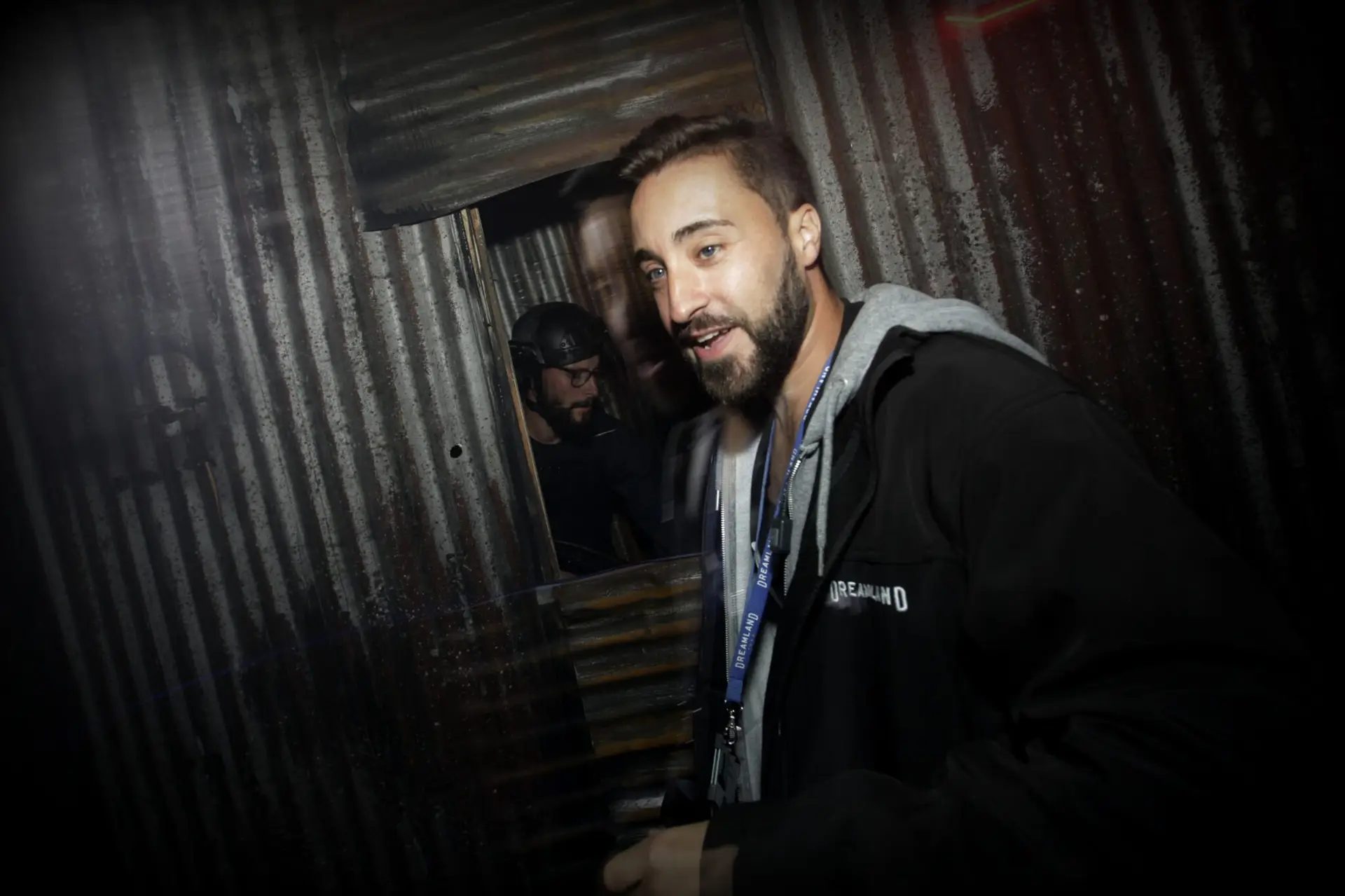
“With RWS Global, we work on strategy for one, three, five years’ time. We work out where you want to be in five years for instance, and I work with you to get you to that stage over five years. So, it’s very much about the overall vision. From a very recent past, I’ve been designing these guest experiences and tailor-making them to suit the client. I’ve got a well-rounded experience because of the different roles that I’ve had: working in marketing, park operations, creative direction, working in anything you can imagine in the theme park industry, and that was intentional. I intended to do that when I was younger, because I think you can only ever be a master in your craft if you know how your craft affects everyone else in the business. It was so important to try and learn everything that I possibly could that I actively went out and tried to do all these roles. I’ve worked on tills in admissions when I was at Dreamland. I’ve done that all the way through to managing a team of 70 staff per day at Dreamland. And I’ve done all of that because I’ve wanted to learn everything that I possibly could about the industry that I love. It really goes well hand in hand, especially from a consultant perspective for Halloween events. Now, you need to know as much as you possibly can if you’re advising people where to spend their capital. And I want to mitigate the risk as much as I can for the clients that I deal with, because for me, that’s where the value is. They want to use me to have a really successful product, but also, they want to make money on it. And if making that money isn’t from advice from me, it’s not great. So, I try and give as much advice as I can to make money. And having that understanding of operations, having the understanding of creative, understanding marketing, having understanding of P&L and how they interact with each other across the whole environment really helps. I’m in quite a privileged position but I know that I’ve slogged to get here and I feel like I’m better now.”
Of all these projects you’ve worked on in the last 17 years, what’s the most gratifying?
“I’ve got several that I love, and each of the projects that I’ve worked on, I absolutely love them. I’m going off a tangent now, but there’s a Greek term called Meraki; it basically means to put so much effort into something that it becomes part of you, and that’s what the marriage means. Especially for creatives in the industry, that’s what you do, you become your project. But if I had to pick one, it would be the opening year of Screamland at Dreamland Market in the UK.
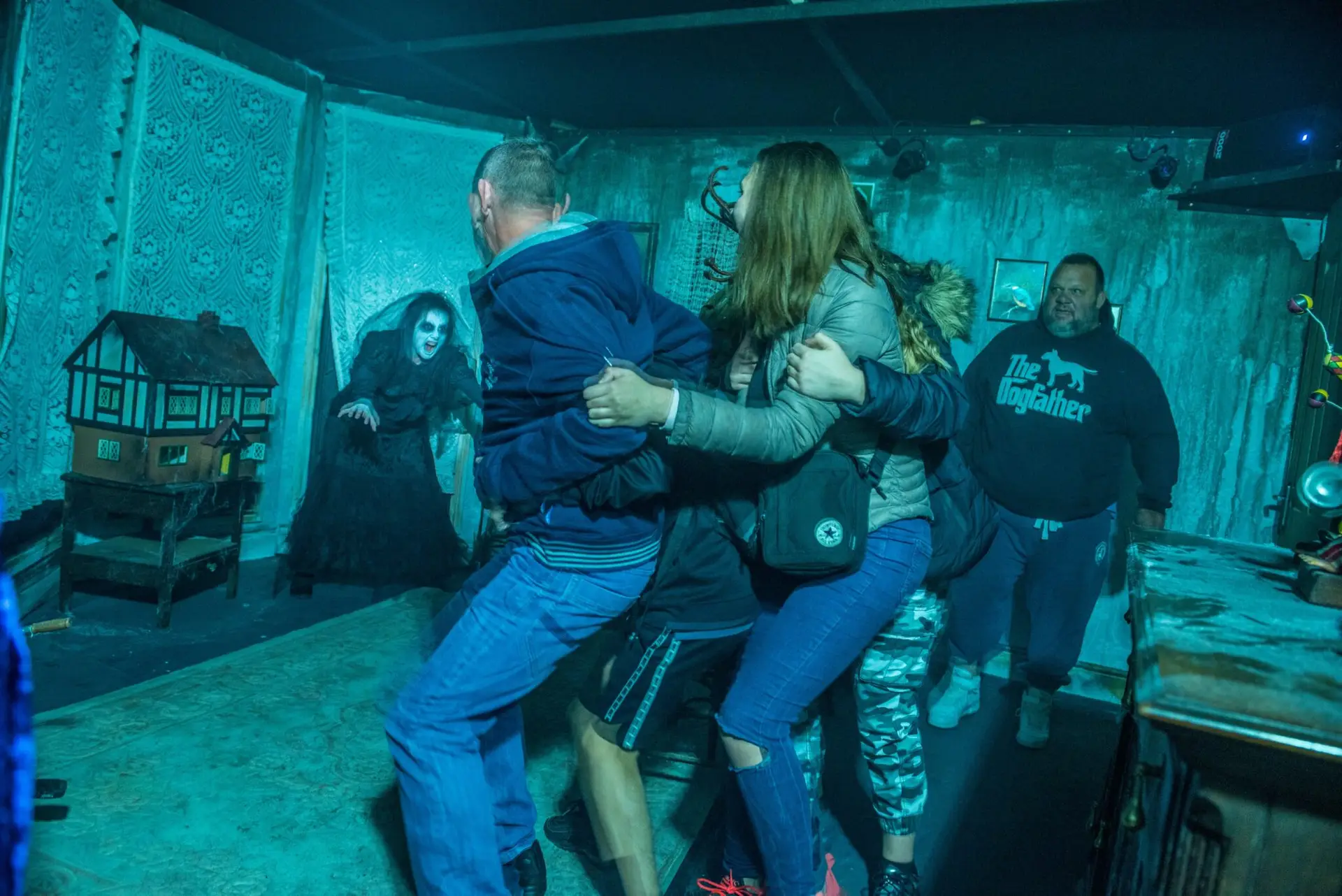
“That was 2015 and I was working for another company at the time, and we produced that event together with Dreamland. But I was the creative lead on five new scare mazes that opened there that year and everything was weird and quirky and different about it. Everything had a really unique feel and its reviews just blown us away. People were coming from all over the UK, from mainland Europe to visit the event. Everything was quirky; everything was really weird. And I like to do really weird things. I don’t like to do what you would expect from scare mazes.”
Halloween Screams at Thornton Hall
“And the other one I will mention was Screams at Thornton Hall, which was last year. We launched that event after it had been in different iterations at the venue before. But last year we were on super strict budget, really tight budget to deliver these attractions. We had to build, decorate and set up three scare mazes with a budget of less than 100,000 pounds, which is a very small margin to work with. And I was thinking, ‘how can we make it weird and quirky and different? Because let’s face it, we’ve seen slaughterhouses before, we’ve seen a haunted house before, we’ve seen a clown maze. And the client said to us ‘we want a clown maze, we want a haunted house, and we want a slaughterhouse. So, I said: ‘How do we do it differently?’ So, we spent so much time having a look at how to make them weird and quirky. And I’m super proud of them attractions, considering the budget that was spent on each of them as well.
Black Market uniqueness
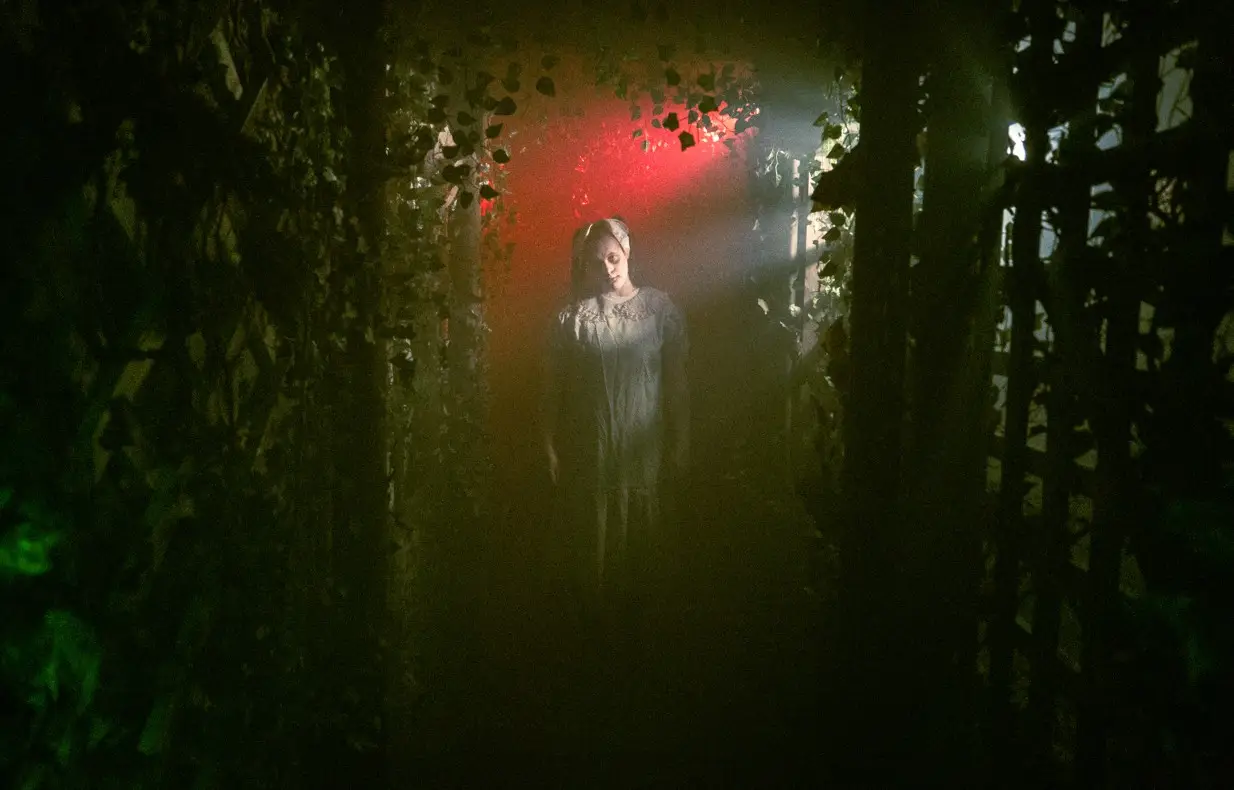
“Black Market, for example, was the slaughterhouse attraction. (Spoiler alert if you don’t know this!) That attraction is set in an abattoir. Like many others have been before, but it’s set during an illegal rave that happens there. So, the ambience is club music, dance music, there’s bottles of broken beer and it feels like it’s just been taken over. And little do people know that actually the reason you’re invited there is because a group of militant vegans have overtaken it and they want you to feel what an animal goes through. So, we have a really weird twist on it, and you only find that out if you went through the attraction. We have vegans on the scene, so we’re not making fun of vegans at all. Actually, there was a really strong message at the end of it that was about meat consumption, so we had a bit of a learning aid as well. The idea behind it was that you went in there, and at the end of it, you was actually put on a meat conveyor belt system suspended from your arms. So, your arms are suspended above your head, and you are pulled along a meat conveyor belt system, which is a real one from an avatar. You’re hooded and your dissected and everything that would happen to an animal happens to you at the end of the attraction, including electric shocks. So, we didn’t know how it would go with our audiences. When we were stood outside the attraction and seeing the people’s reaction to it was amazing- we didn’t expect it to be what it became. It’s got a massive following now; people come from all over the UK to visit that one single attraction because it was so different. It hadn’t been done before like this, and I think that’s a prime example of the things that I love.
“They’re the attractions I’m super proud of the fact that we said: ‘okay, here’s the theme, everyone’s seen it before. how do we make it different? What is the next big thing that we can do? And with our clients, I try and aim to be a market leader in some respects, asking: ‘how do we make people think a different way? So, I think Screamland and Screams sit hand in hand of two attractions that I’m super proud of.”
What’s your favourite type of Halloween themed attractions?
“A Haunted House without a shadow of a doubt. I’m a storyteller by heart so I love telling stories and I love coming up with stories. I love the characters and really detailed backgrounds. I’m a theme park geek, let’s face it. I love the intricate details. I love Haunted House themes because you can come up with so much lore behind it, so many characters, and it’s always things that you can improve on year after year. If certain people didn’t like a certain character, we can remove them and start another one. It’s like a family tree history with a profound heritage that you can work on. And let’s say from a visual perspective, you can really make these beautifully decorated attractions. So a Haunted House without a shadow of a doubt is my favourite to work on.”
In terms of the Halloween industry, how has it changed over the last decade?
“I think there’s kind of twofold really, the scalability of Halloween firstly. So, in the UK specifically at least, there is at least eight to 10 new events that pop up. We are a booming industry now in the UK. When I started, there were five peak players and three of them were theme parks. It was tiny. So, to see where we are now, after 17 years is just incredible. The industry is huge, and it’s got a big, big following now. And it’s kind of diverting into loads of different sub-industries: You’ve got the horror escape rooms, you’ve got these sorts of longer experiences that you can go on, horror simulations etc. I think from the guest side of it, the expectation is so much higher. What you are expected to deliver, what you’re expected to work on, what you’re expected to create is so much beefier than it used to be. And the guest expectation is so much higher because there’s so much more competition, right? So, I think for me, it is that overall look that you have to be different, you have to stand out. You can’t just be another haunted house, slaughterhouse, whatever that is; you’ve got to come up with intricate backstories. Some guests want that immersive attraction; some guests just want to come in and be terrified. So how do you do that? You’ve got to get the balance just right with it all. I think a lot of people forget that we’re creating this for our guests, right? We’re not creating this for ourselves. A lot of people say it’s vanity projects and actually it’s not. You’ve got to take yourself out of that situation. If you think that an intricate 40-page document of a backstory you’ve created is fantastic, it might be. If a guest goes in and says: ‘I didn’t like that scare,’ what is the point in doing all of that work? So, you’ve got to do a balancing act and I think that balancing act has become even more precarious now because you’ve got so many people wanting more of these different aspects. The guest expectation is so high now.”
How do you see the Halloween themed market evolving?
“I think there’s going to be a lot more personalisation behind experiences, whether that’s done through AI means or whether that’s done through specific pop-up areas. Nowadays, people want it more about them so audiences going in want a tailored experience for them. I think it’s going to be super interesting to see. Not even from a technical perspective how that works, but to see as storytellers, how we start to develop narratives specifically around somebody coming to it.
“I know there’s an attraction at the moment that is currently using AI to pull data from the guests that are coming to it to be able to personalise the experience on site knowing that you’re coming in this experience. So, they look at things like horror films that you’ve watched, if you’ve ever tagged a horror film in Facebook; AI can scout that out and find out what horror films we’re into. And we can pick that on site when you come. And I’ve been working with a company who’s looking at that at the moment, how we can ultra personify a guest experience. I think a lot of people hate AI. A lot of people are scared of it and that’s why they don’t like it. But if you hone it and you use it to its advantage to work with you and your workflow, it’s going to be around forever. I think with me, it’s cutting down production time.
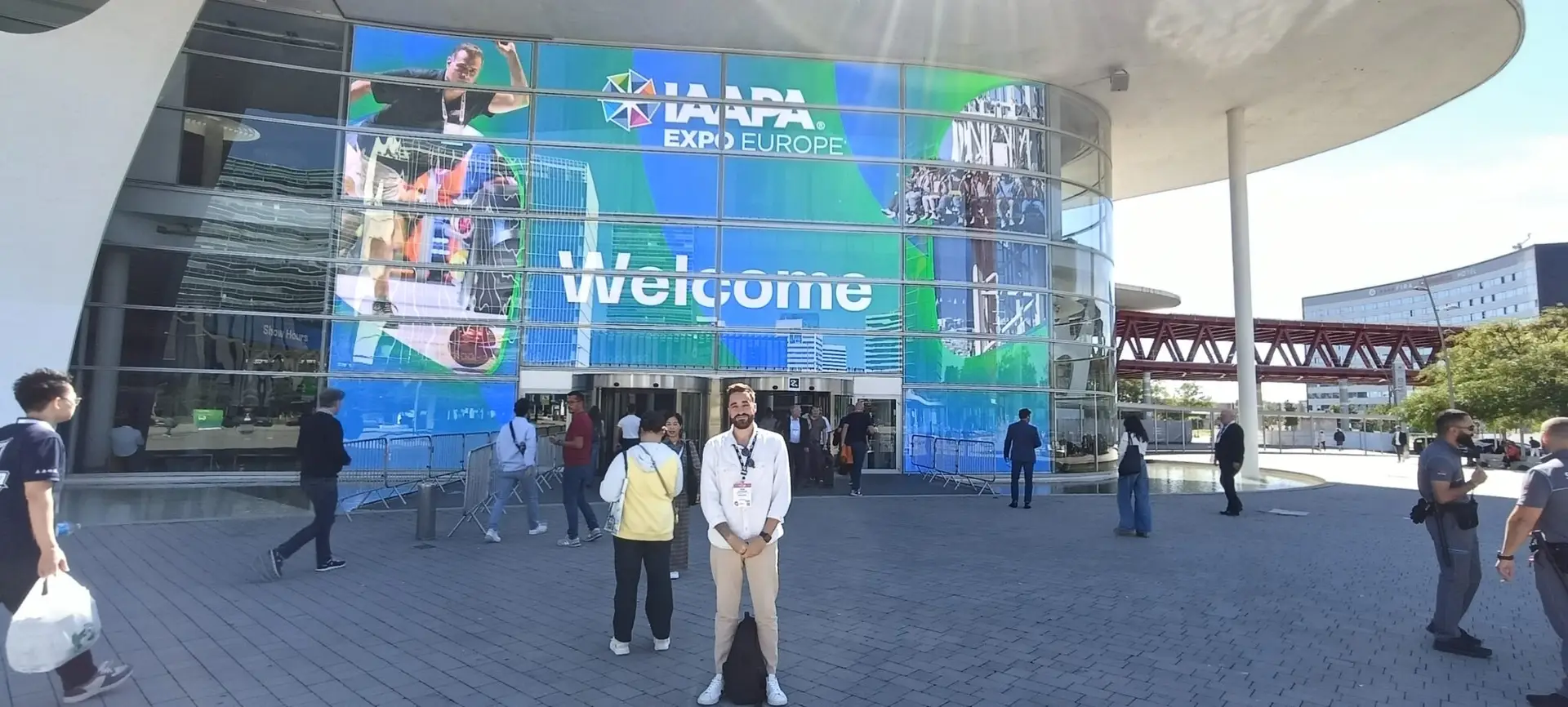
“I was at PortAventura during IAAPA and attended a speech from their technical director who talked about the new PortAventura projects that they’re working on with mixed reality. It was very revealing that this process cut down their production times by 30%. If you equate that into staffing costs, it’s a 30% saving on budget. I personally think even from an image generation, from a visual generation perspective, for storytelling purposes, just to fill in the gaps where you need to fill out, chronological order, it works really well.
“What I don’t think it’s ever going to be able to do is work out human connection and work out human emotions. I don’t think it’s ever going to get to that stage and a lot of the work that we do is based on human emotions: How do you feel? How does that scent in that room make you feel? How does that sound in the distance make you feel? That is the work that we do, and I don’t think AI is ever going to be able to do that. What it can do is help your framework of work to be able to deliver these projects a lot quicker.”