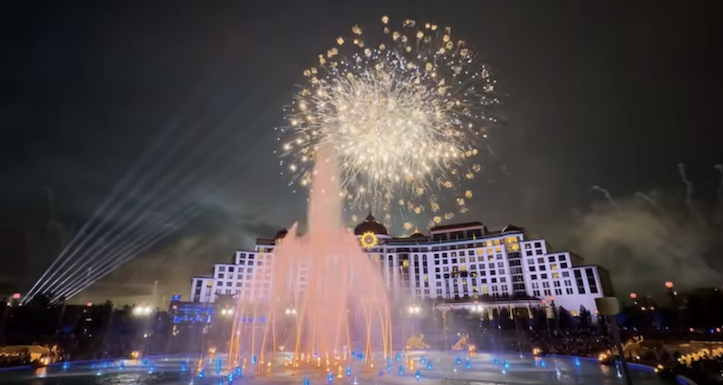
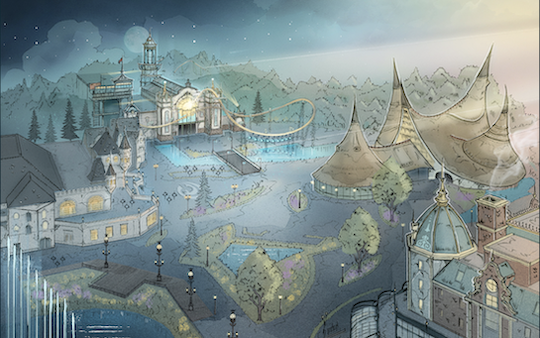
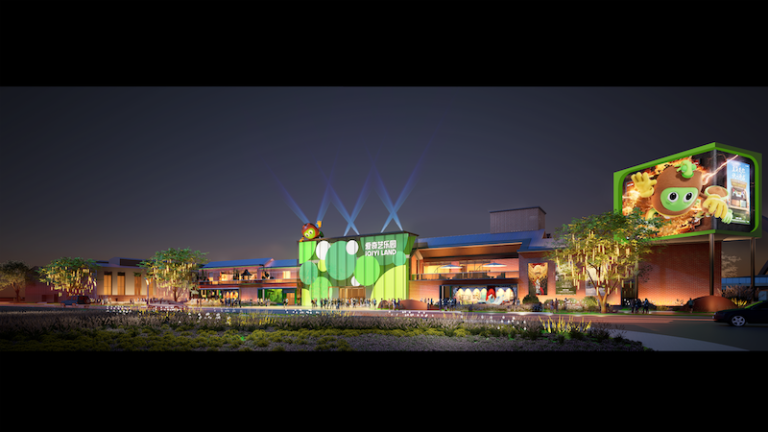
China’s culture and tourism sector is also continuing to move towards more immersive, IP-led and digitally enabled experiences. Against this backdrop we thought you’d be interested in iQIYI, one of China’s leading long-form video platforms, who are extending its content ecosystem beyond online viewing and into physical entertainment spaces.
Drawing on more than a decade of original Chinese drama and variety IP development, iQIYI is seeking to transform the act of “watching a series” into a real-world participatory experience. Through a growing portfolio of immersive attractions centred on Chinese IP and technology, the company is positioning itself within the next phase of urban culture and tourism development.
Watch this space
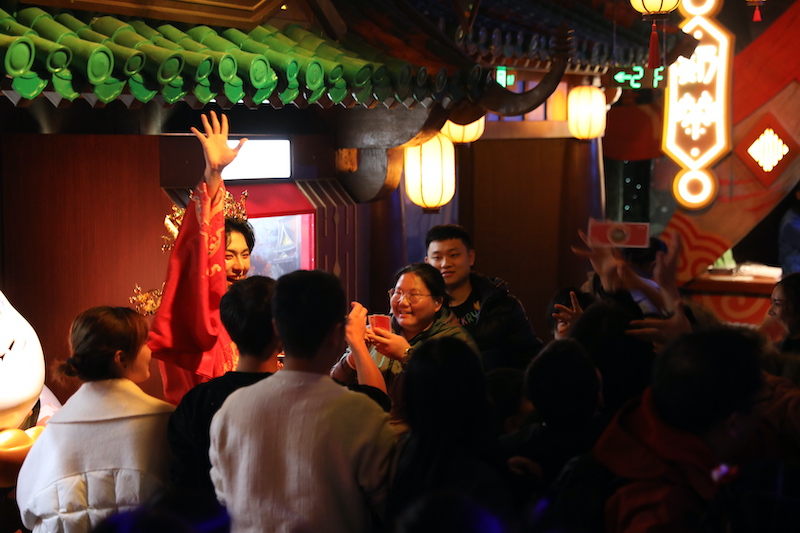
The iQIYI Land in Yangzhou, which opened in February 2026, is being presented as the company’s first major sample project in the culture and tourism sector.
Located beside the Beijing-Hangzhou Grand Canal, the park adopts an indoor immersive format and brings together several popular film and television IPs, including Strange Tales of Tang Dynasty, The Knockout, To the Wonder and Mysterious Lotus Casebook.
The attraction is designed around a mix of full-sensory theatre, light-and-shadow interaction, NPC performances and recreated scenes from well-known productions. The aim is to move visitors from passive screen viewing into active, story-led participation.Since opening, Yangzhou iQIYI Land has reportedly received strong visitor feedback, with third-party review platforms recording a score of more than 4.9 out of 5.
“IP, digital technology and flexible partnership models”
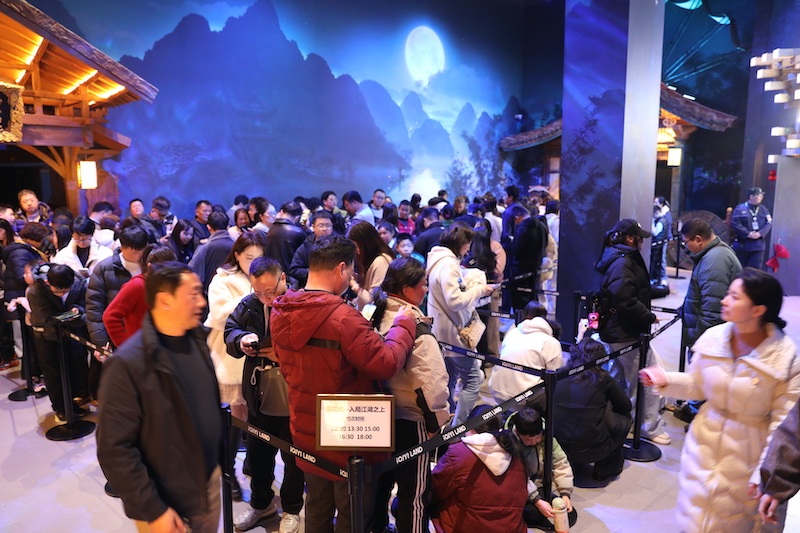
Building a city-level IP tourism network
iQIYI’s offline ambitions are not limited to a single destination. At the company’s 2025 autumn Yuexianghui event, iQIYI founder and CEO Gong Yu stated that offline business would become one of the company’s core business areas, covering both IP consumer products and parks.
For its park business, iQIYI has outlined a differentiated model based on smaller-scale venues, strong interaction and fast iteration. Rather than building large-scale destination resorts, the company appears to be developing a city-level immersive experience network based around screen IP.
Following Yangzhou, new iQIYI Land projects are planned for Kaifeng, Beijing Wangfujing and Wuhan. Kaifeng has gained momentum in recent years as a tourism destination, supported by its Song dynasty cultural heritage, historic cityscape, night-time economy and attractions such as Wansui Mountain. The Kaifeng iQIYI Land project is expected to respond to this wider tourism upgrade by combining indoor and outdoor spaces and introducing several film and television IPs for new digital experience products.
Through immersive attractions, interactive performance, themed food and beverage, and cultural and creative retail, the project will extend screen content into physical visitor experiences, offering a new example of how entertainment IP can be integrated with themed attractions.
After Kaifeng, the Beijing iQIYI Land project will mark the company’s first open-format city park inside a core commercial shopping district. Unlike traditional enclosed attractions built around a single entrance ticket, the Beijing project will be designed to draw naturally on shopping centre footfall, drama IP and themed environments. Revenue conversion is expected to come through experiences, retail and derivative consumption.
The project is positioned as a daily urban entertainment space that can be visited, experienced, purchased from and shared on social media. It may also offer a useful model for the renewal of existing commercial assets in prime city locations.
In central China, the Wuhan project is expected to take on the role of a “technology park plus urban renewal” development. Located in a cultural district near the Yangtze River waterfront, the project will integrate artificial intelligence, virtual reality and film and television IP within an immersive park format. It will also connect with the transformation of industrial heritage and the renewal of waterfront urban space, serving both local visitors and tourists from surrounding cities.
“Extend screen content into physical visitor experiences”
Asset-light operation supports expansion
While technology, interactivity and entertainment IP form the core of iQIYI Land, its business model is also central to the speed of its rollout.
Under this model, iQIYI focuses on providing technology, content and operational capabilities, while partners contribute fixed assets such as land and equipment. The parties then share revenue from ticketing, food and beverage, merchandise and other secondary consumption.
This asset-light approach allows iQIYI to combine its own content and technology advantages with local partner resources, while reducing exposure to the high capital expenditure traditionally associated with offline culture and tourism investment.
Overall, iQIYI Land reflects a wider shift in China’s attractions market, where domestic IP, digital technology and flexible partnership models are being combined to create new forms of immersive culture and tourism. For iQIYI, the strategy extends the commercial value of its content ecosystem. For the wider industry, it provides a reference point for how screen-based IP can be adapted into physical, interactive and city-based visitor experiences.
Image: iQIYI