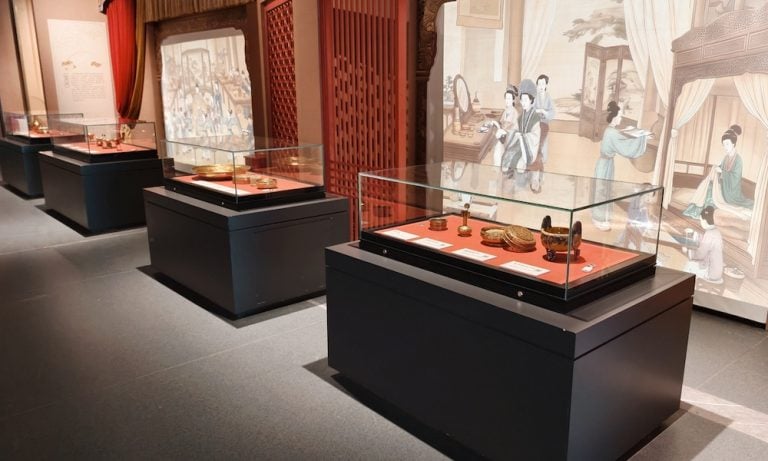
Beijing’s proposed Ming Culture Theme Park aims to combine heritage conservation with immersive visitor experiences, bringing more than 270 years of Ming Dynasty history to new audiences.
Beijing is moving ahead with plans for a Ming Culture Theme Park, signalling a fresh approach to heritage tourism that blends archaeological conservation with immersive visitor experiences. The proposal focuses on the historic Ming Tombs area in Changping and seeks to transform one of China’s most significant cultural landscapes into a destination where history is experienced rather than simply observed.
The plans were discussed during the 2026 Ming Culture Forum, where heritage specialists outlined a strategy to connect the district’s dispersed Ming-era sites into a single cultural destination. Rather than treating monuments as isolated attractions, the project aims to create an integrated visitor experience that presents more than 270 years of Ming Dynasty history in a coherent way.
For attractions professionals, the project highlights a growing trend towards destination-scale heritage developments that combine conservation with modern interpretation. Digital technologies are expected to play a central role, with immersive storytelling and interactive experiences designed to help visitors engage more directly with artefacts, architecture and historical narratives. Organisers say the goal is to allow the history and archaeological remains to ‘speak’ to contemporary audiences through digital presentation rather than conventional museum displays.
The proposed Ming Culture Theme Park is built around three guiding principles – integrity, innovation and a people-focused approach. Integrity refers to linking the area’s cultural assets into a unified visitor experience. Innovation centres on digital interpretation and immersive technologies, while the people-focused element is intended to improve public access and encourage deeper engagement with the site’s cultural significance.
Changping already hosts the UNESCO-listed Ming Tombs, where 13 emperors of the Ming Dynasty are buried, making it one of China’s most important imperial heritage destinations. The theme park proposal represents an evolution in how major archaeological sites are presented, moving beyond preservation alone towards cultural tourism that combines education, interpretation and visitor experience.
The initiative reflects wider investment across China in cultural attractions that draw on authentic history rather than licensed entertainment properties. For designers, operators and experience developers, the project offers another example of how immersive technology is increasingly being applied to heritage destinations to extend dwell time and broaden audience appeal while maintaining a strong conservation focus.
image: Global Times