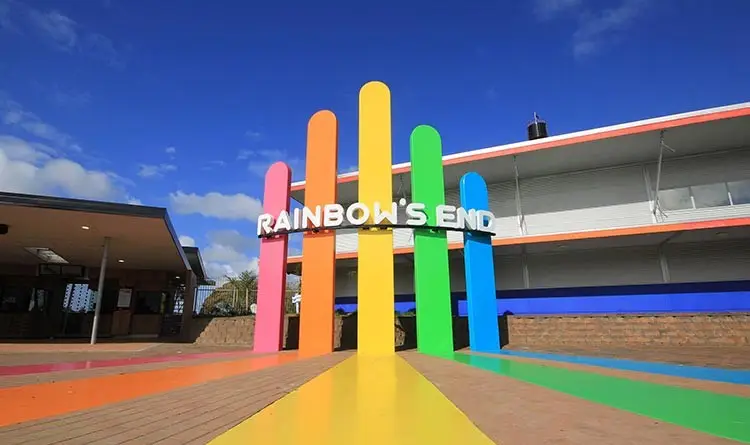
Rainbow’s End is New Zealand’s largest theme park and has been spreading ‘Fun on Demand’ for 42 years.
InterPark sat down with Susan Mudie, CEO, Rainbow’s End, to discuss the New Zealand park she presides over, with thoughts on market analysis, improving guest experience plus the leisure industry in general.
Here is an extended section of the interview which you can read in the summer edition of InterPark Magazine.
InterPark: Tell us about yourself and what your role is at Rainbows End
Susan Mudie: “I officially started as CEO at the end of September. It feels like many years ago now, but it’s just been a few months. Prior to that, I was the business development and marketing manager for the park. I clocked up nearly six years doing that. This role felt like a good progression, so I put my hat in the ring and had to fight for it. There were a few other people, as you can imagine, we were the only theme park in the village, so there’s a few people that want to work here. But when I first started, someone said to me, you’ll either last a year and get out, because it can be quite relentless, or it’ll get under your skin – and it’s definitely a place that gets under your skin!”
“I actually came in as a contractor for one day a month at Rainbow’s End, so the previous CEO, Karen Crabb, had been brought into the business and she was looking for some additional support in identifying what potentially are the strategic growth drivers for this park. And then on the flip side of that, what could the business optimisers be. And that starts with data, which is my wheelhouse. I was here probably one day a month and talked to as many people as I could, extracted as much data as I could from the systems and did some commissioned research.
One of the pieces of feedback I had when I was doing that was that Rainbow’s End had no competitors, and I thought, that’s not true. If you reframe it into a question around who we are sharing the family or the friend’s wallet with and where they are spending, that set changes quite differently. So, for us it’s a case of actively using that data and align it accordingly with Rainbow’s End. The opportunities are ongoing, the market keeps moving on and also because even our local market now, there’s so much global exposure to trends and what new experiences look like and what other theme parks are doing and so you’re constantly having to be chasing a standard. In recent years, we’ve been looking at the park and thinking in this contemporary landscape of theme park experiences and more sophisticated, more immersive kind of entertainment experiences.
We realised from that it wasn’t just about putting new rides in; we’ve got a journey over the next few years just to build more theming, build more immersive experiences, have a really good hard look at our food and beverage offer and just make sure that when people walk in the door, they’re losing themselves for a day and enjoying an immersive experience. Here, there are spots of the park where you can look out and see the motorways. So, we’ve got some thoughts and some things in the pipeline so that when you step in, you are here for the day and switch off from everything else. That’s what we’re chasing.”
IP: What is your background in the industry?
SM: “I spent 12 years in FMCG (Fast Moving Consumer Goods), so working in food and beverages businesses and over that time working in a number of departments from sales to marketing to innovation and operations. I think anybody that works in a fast-moving consumable goods environment, especially if you’re there for a while and you progress, you achieve some career development there. It does give you a good grounding on how I identify what product we need, how do we make that product that delivers that consumer insight in a feasible and viable way, how do I launch it, how do we maintain it, what are the signals that tell me that it’s time for a refresh, that type of stuff. I’m really grateful for that time.
It gave me some good agility to look at the numbers and find what we need to do. I would classify as what I would call long play entertainment: where people go for at least three or four hours, but there isn’t movies, or potentially could be a whole day. And when I took that big bucket approach, I thought, what are the emotional, functional, social drivers between each of the types of businesses in there?
One of the pieces of feedback I got at that time was that Rainbow’s End was too expensive. So, once I’d finished looking at the data, I brought some purchase data to understand where consumers were, where buyers and users were coming from for those different segments and what type of consumers they were. Were they high frequency, high distributional spend consumers, or were they kind of low and working a little bit and running a bit tight? What I learned from that is the people with the lowest spends consumers, so the people with the least amount of money in their pocket, were choosing us more often. They told me it wasn’t actually about price; it was about a value equation.”
“So, people with more money, spending more time out playing, had kind of forgotten about us and hadn’t been for long enough. They thought the park hasn’t moved on, where in fact the park has got more than 20 attractions now. That helped us refine what are the barriers to entry, how big the market could potentially be for us.
And then, what sections of those markets could we legitimately kind of build an offer for, and then what sections of those markets we can solve a lot of entertainment solutions. I spent probably six months doing that and I loved it!
It’s not always about a new ride sometimes; it’s about making sure the loos are clean and the coffee tastes nice, and all those things. What I say to the team is the kids will always have a great time. We’ve never received a complaint from a child. The complaints come from Mum and Dad, the coffee was terrible, the food was this and that. You have to have this whole 360 lens around to keep everybody happy.”
IP: How does Rainbow’s End operate from a strategic standpoint?
SM: “The focus for us is two-fold: There’s the strategic growth drivers, which is how we’re going to build equity and value into the park and generate value for our guests and for our shareholders. And then the second part of that is the business optimisers. That’s how we’re going to refine how we do things, which in turn has an impact on guest experience, but also means that we’re growing sustainably. Anybody can throw a lot of money at something to get more money, but in this market, this size of business, we have to be really cautious and smart. A lot of our time is figuring out what we don’t do. It’s actually what is the one that’s going to make the biggest difference for our guests that we can afford.
The operations manager this year will be working on looking at all of our rides, reviewing them with the attractions team, reviewing our SOPs for throughput management on those rides. And how do we constantly refine what we do all the time but do some proper in-depth observation and data analysis like how we trim 10% queue time out of here.”
IP: With InterPark celebrating 30 years in publication, how has the leisure industry changed over the past 30 years?
SM: “I think the core needs haven’t changed. The guests entering, whether they’re a young family, an older family or friends, they’re looking to come in and have some thrilling fun, but not by themselves. There’s a real point of connection and memory creation there. That core need hasn’t changed, but what’s changed around it is the quality and standards that they expect here and the levels of access. Kiwis do not like queuing, we get so many complaints about queuing. It’s not always about what it looks like or what the rides are, but it’s around what is fair access and what does that value exchange look like for our guests.
One of the things I looked at the start was to conduct many surveys after each peak period. We always survey to see what people think and the persistent issue was around queues. We didn’t have any kind of heat mapping or any kind of data targeting around dwell times in park, but we started with that kind of face complaint and then what we did was we started looking at how many people are coming into the park? What’s the ticket mix? What is that correlation to guest experience at the end and actually from a duty manager perspective, how long are people queuing at different times?”
“The evaluation was there’s a capacity that we can hit where people aren’t queuing too long, where we can serve food quickly enough at lunchtime, where we are commercially doing what we need to do, but the guests are having a nice time. So, we introduced a cap at gate, and I haven’t met anybody else that does that. We actually have sold out days and people still ask to come in. But at that point the question to them is, look, you’re just going to queue longer, and we don’t want you to. From a commercial perspective, what I’ve modelled is that if people queue longer than 25 minutes, my impact starts coming down because if they’re queuing, they’re not buying an ice cream or a drink. I just want people to have a nice time, it’s an entertainment industry, isn’t it?
We’re putting in the infrastructure last year and this year so that we can start digitally mapping where people are in park and fine tune that. Therefore, we are actively using the data that you can correlate how to get the best experience. From an operations manager perspective, it’s not just about capacity at gate, it’s how are we processing people through those rides. And for every 5% we can save out of that, there is 5% more throughput, more riding time to deliver greater optimisation. 90% of our visitation is domestic, so if they don’t have a good time, they won’t come back, and we go into decline. You can see that in previous periods.”
IP: How do you see the leisure industry at the moment and potential trends in the future?
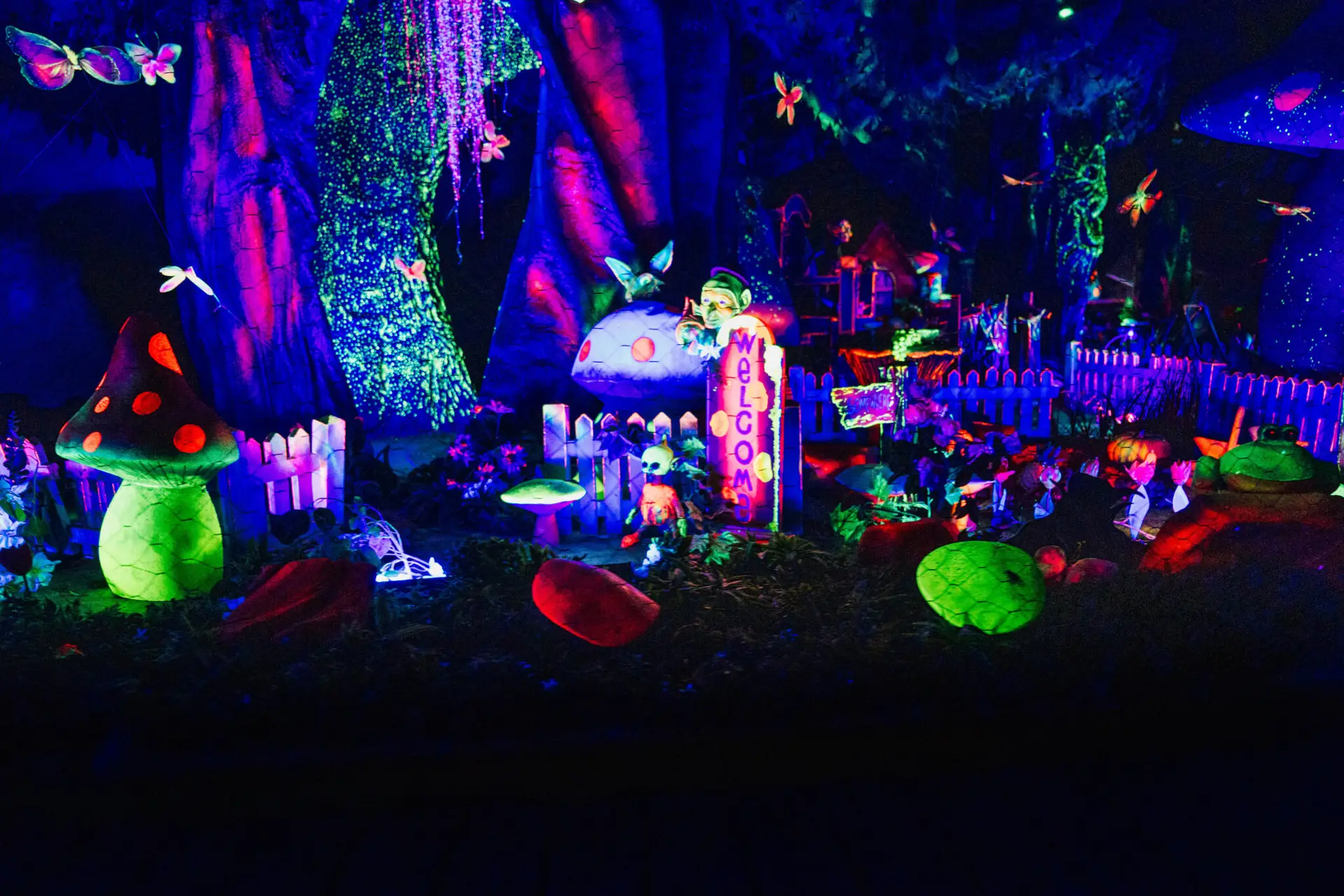
SM: “I believe technology perspective will have a big role for us. I can see it in some of the theming elements, especially with the integration of AI into animatronics. Even three years ago, we put a forest with animatronic creatures in the log flume. But now, if I was doing it with the way that the technology has developed, I would actually put some machine learning into those so that they’re not just repeating the same comment over time – we’re putting in code so that they can respond to guests and build that interaction. Those interactive elements will become more and more important as they tap into immersion and build these real emotional connections with guests. Technology aligned with theming, responsive theming and interactive theming is pretty incredible. We’re really excited to play in that space.”
“One of the things that has come through for us, and I think this is probably a global issue, is our market is incredibly time poor. The first thing that kind of gave us a heads up for that was when we came out of COVID lockdown, we had about 12,000 advance tickets pre-sold in market. And as we cycled through levels and as people felt safer and more comfortable about coming out, we still had these tickets there that we were trying to reschedule for people. And the principal barrier was just finding a time to come in.
Particularly in the family market, more so than 30 years ago, you have both Mum and Dad working, depending on their work, they may actually have shift work or be in a corporate job, which has overtime at times of the year. From surveying our market. the kids are participating in more after school and weekend activities than I did as a child. With that in mind, what we’ve been looking at to support out theming progression is how do we zone the park so that we give that flexibility of time in park and pricing in park to say, look, you can do all of this, or you can do these zones in two hours to find a suitable sweet spot.
The fastest growing entertainment segment in this country are family entertainment centres anchored by arcades because you can control your time in there, you can drop in, you can drop out, you can have a lot of fun under two hours and often spend more than they would if they were coming here. It’s not price, it is convenience and time poverty basically.”
“Another fundamental aspect nowadays is the meaning of accessibility. For years we’ve approached it as can this person physically get on this ride. But increasingly, our accessibility queries and support is around people with sensory challenges, people who struggle to cue. And that is compounded with a changing kind of cultural demographic. We’re all about thrills and having fun, but how do we carve out those places where Mum can take kids to calm down for a bit? The answer is somewhere between accessibility and wellbeing. If you’re going to come in here for a day and we’re putting in more things, it’s because we want to keep you here longer, I want you to leave having had a great day, but I don’t want you to leave mentally drained, so we strike a balance with customer experience and satisfaction.”
IP: What’s your favourite ride?
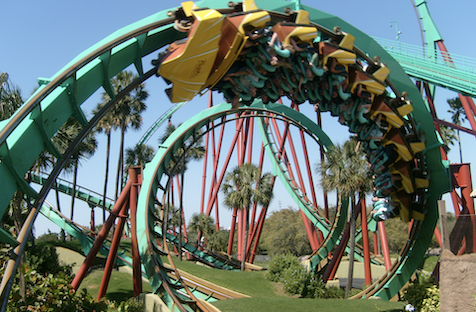
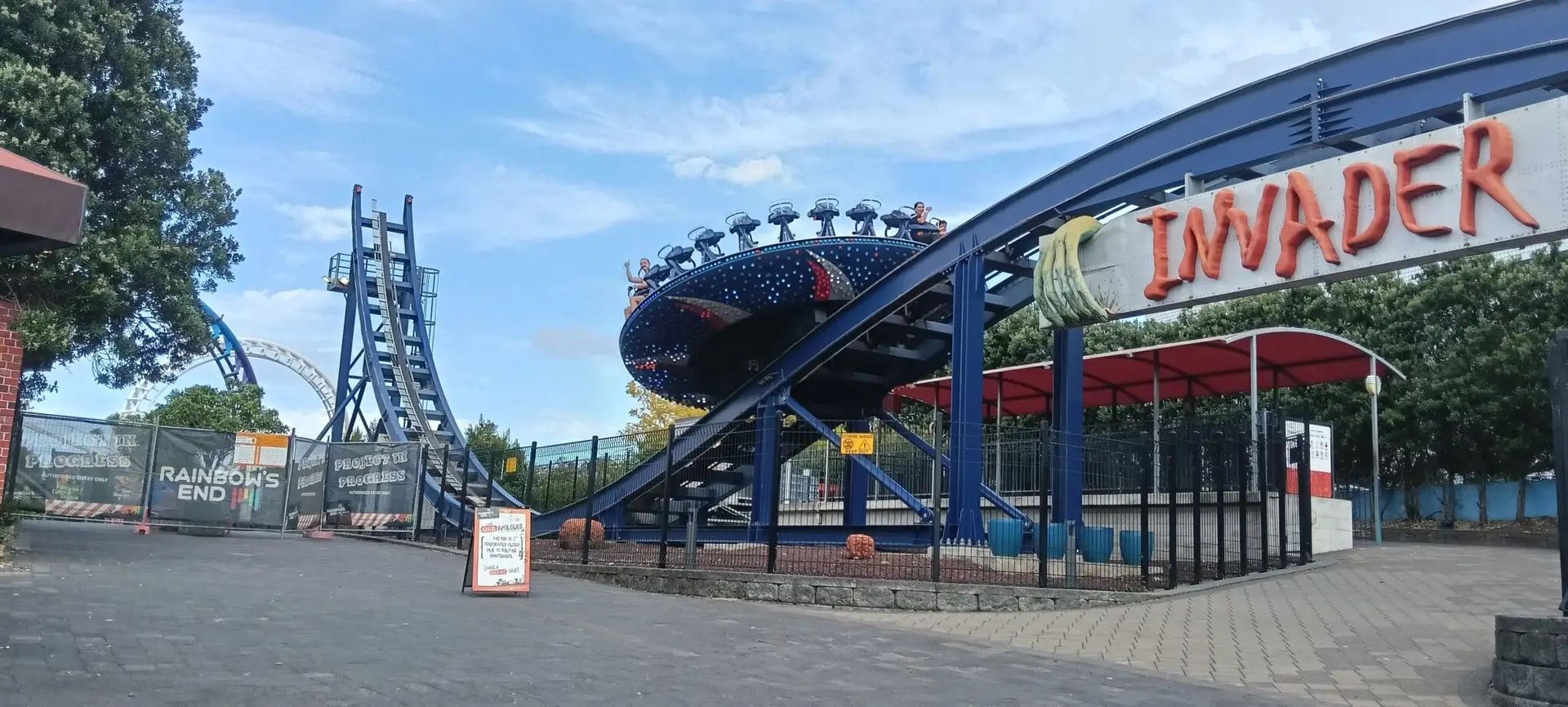
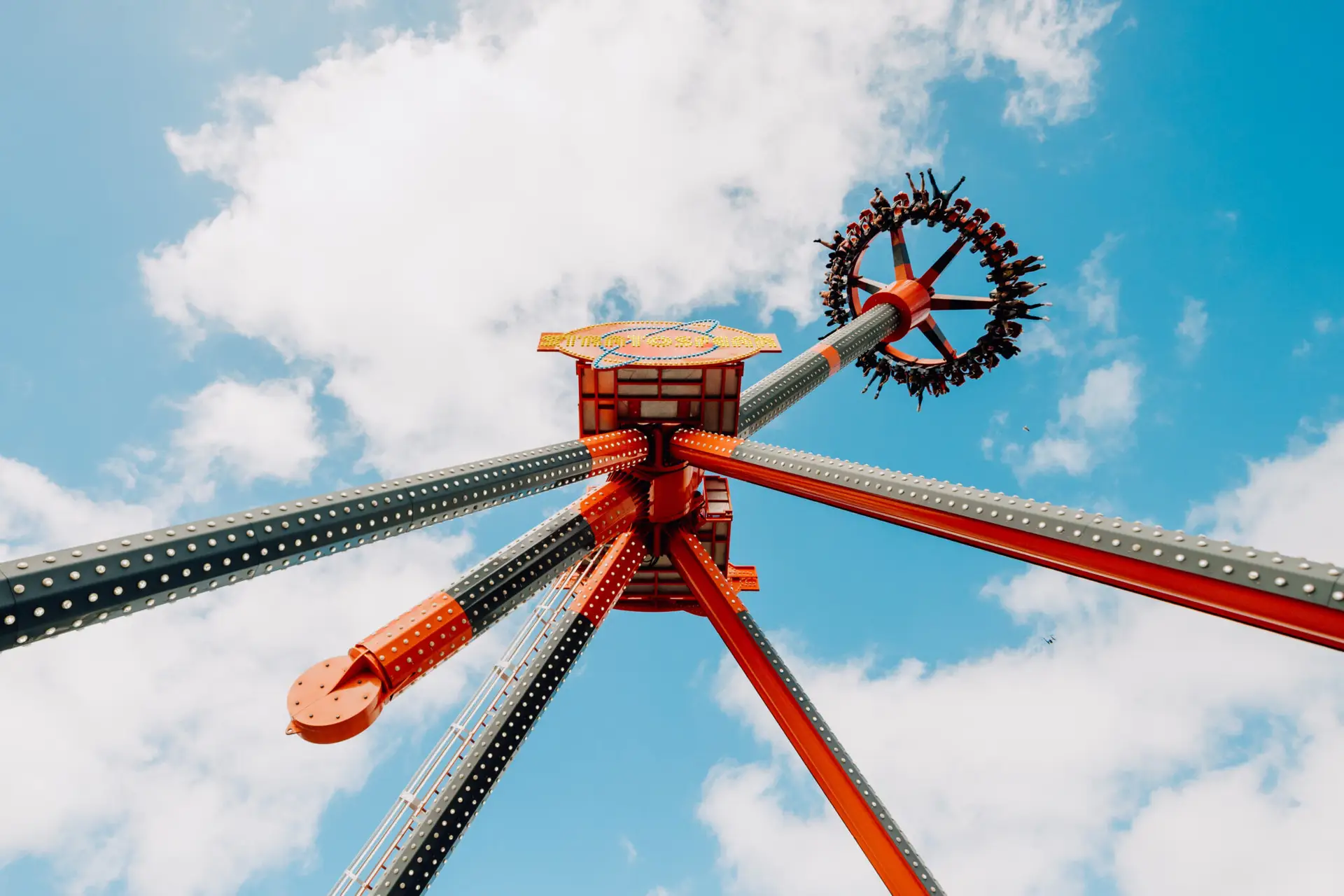
SM: “I love the Invader. I always embarrass myself screaming! I think ‘today’s the day I’m not going to scream and yet I just can’t help myself!’ The other week, I saw one of the maintenance technicians to test it before guests can ride. There’s a whole load of opening procedures we do in case testing it. So, Tony (Ride operator) said: ‘Oh, hop on, I’ve got to test it,’ and I was like, ‘Oh, don’t scream, don’t scream… I screamed.’ The only person in the park shrieking my head off. It is a lot of fun!
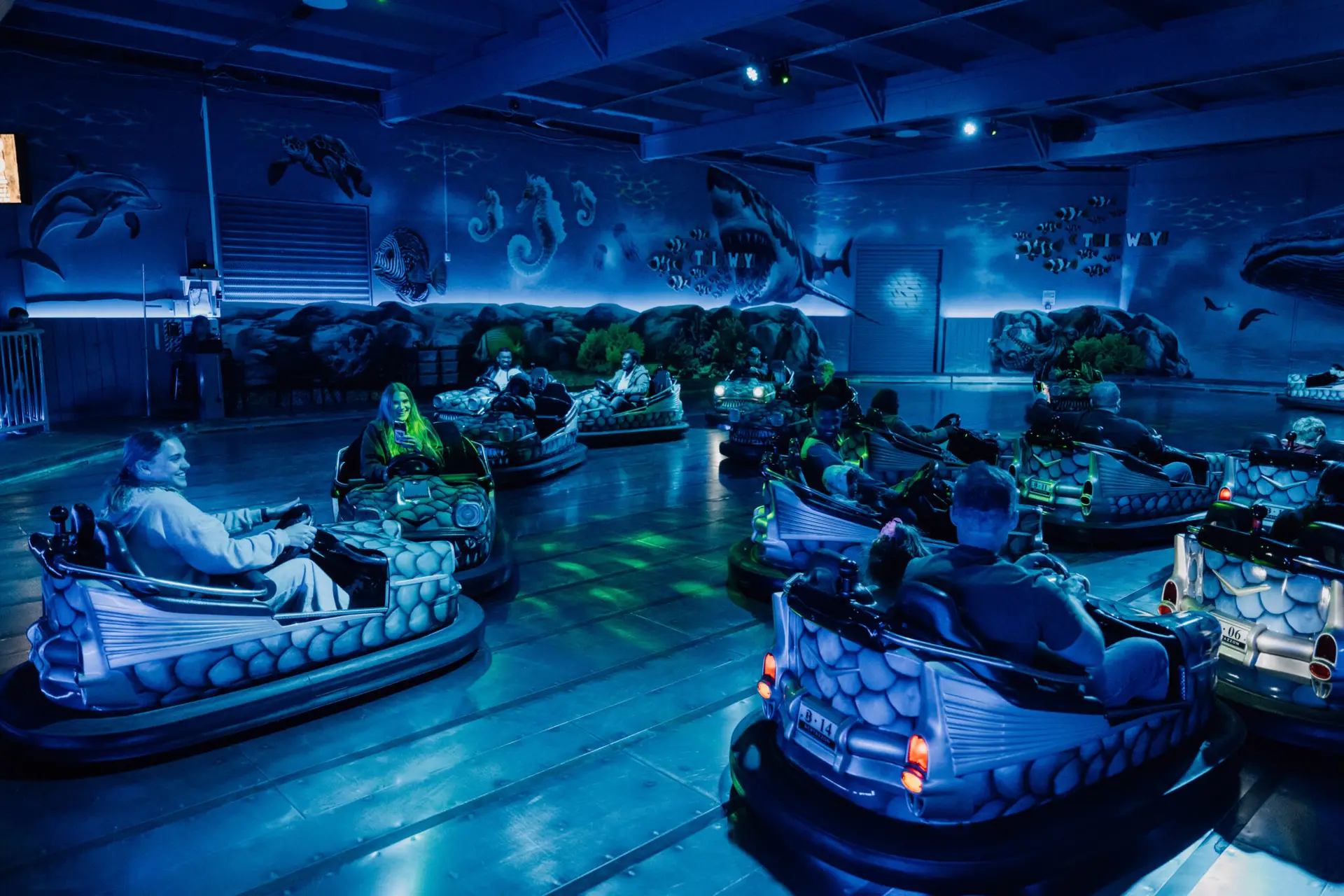
I also love the Dodgem, its s a perennial favourite. And we had this dark space in the Log Flume that hadn’t been refurbished from a theming perspective for a long time. How do we spruce up that immersion? So, we put a bit of theming in there last year and it’s a lot of fun, I just love the log flame. It’s a classic, isn’t it?
“We’ve also completed upgrading the forest and we’ve got two more stages to deploy on our Log Flume ride. There is a long-term pipeline of things by ride that we want to do, which is based on trading and COVID and all those types of things. We’ve got big plans for her but she’s magic and she’s great value with a nine-minute ride. So, make sure you go to the bathroom before!”
IP: Tell us more about the forthcoming Pirate Ride
SM: “It’s my immediate focus this year. There’s a big investment coming with this new ride. A lot of the focus this year, apart from getting her in the ground on time, on budget, and fit for compliance standards, is around optimising that opportunity. I’ve just actually packaged up the strategy to send to the board along with the FY26 budget, and then following that, we’ll go through workshops with the team.
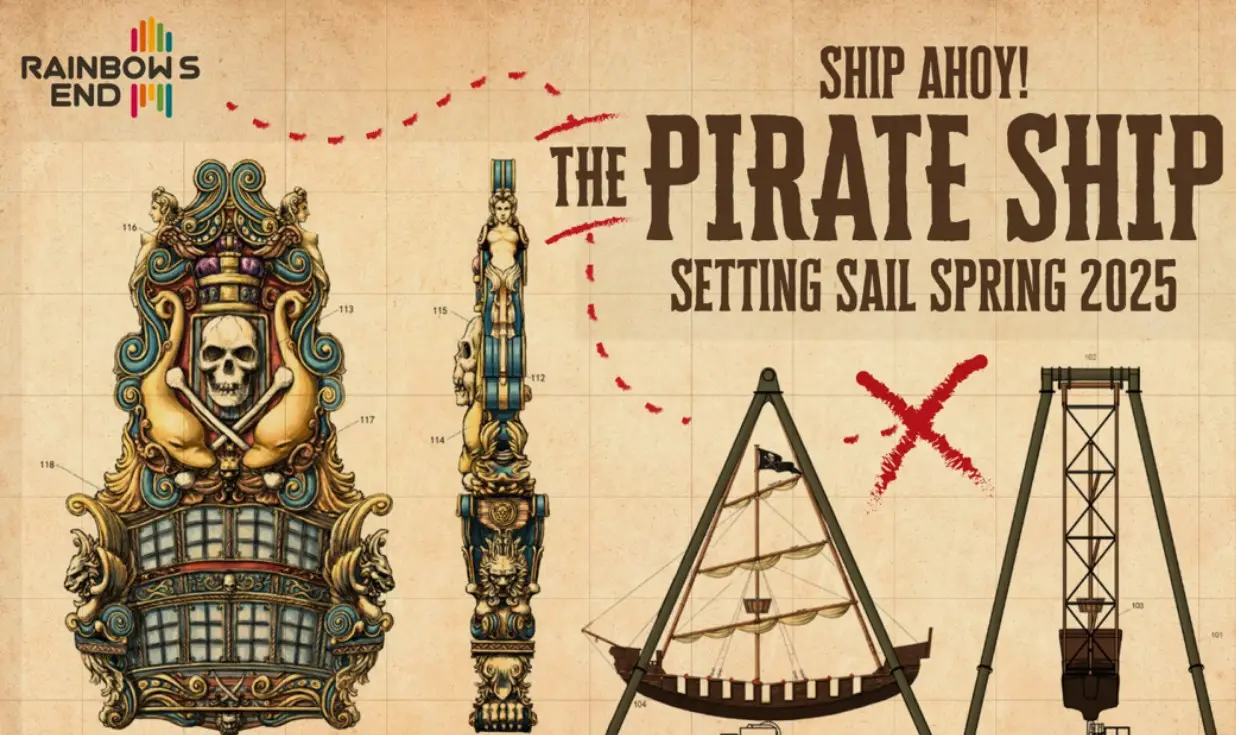
“The Pirate Ship was a park favourite for decades, and our guests were vocal about missing it. We couldn’t walk past that kind of feedback, so we started investigating how to bring it back, better than ever. We are confident the new ride will offer heaps of enjoyment for all ages, with some exciting twists to the original.”
Images: Rainbow’s End