Career Curiosity and the Human Side of Leadership
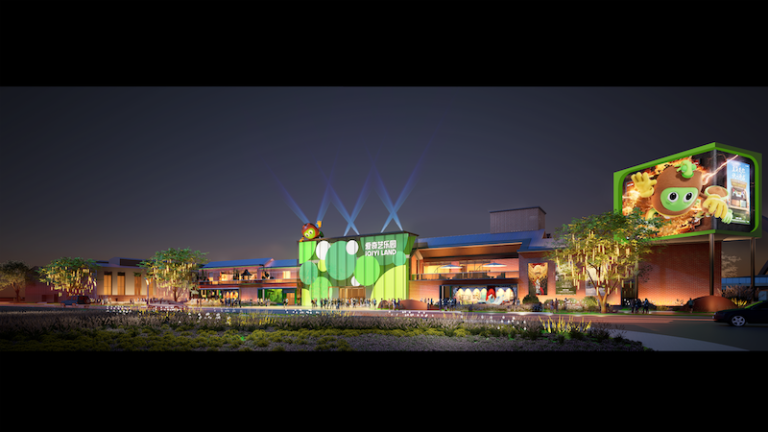
Mega-projects may be defined by steel, concrete and record-breaking statistics, but they are ultimately delivered by people – and by leaders who understand both the scale of the challenge and the human systems required to make it work. Nowhere is that balance more evident than at Six Flags Qiddiya City, a destination conceived to redefine expectations for theme park development in Saudi Arabia and beyond.
Overseeing operations on this unprecedented project is Jason Freeman, Senior Vice President of Operations at Six Flags. Freeman’s perspective is shaped by more than four decades in the attractions industry – and by a career that began not in senior management, but on the frontline as a seasonal employee. That ground-up experience continues to inform his approach to safety, guest experience, team culture and long-term operational sustainability.
In conversation with InterPark, Freeman reflects on the defining characteristics of the Qiddiya City project: its sheer scale, the complexity of building operational systems alongside construction, and the necessity of close global collaboration across suppliers, designers and local partners. He explains how universal safety principles are adapted to regional conditions, why early operational involvement is critical in large-scale builds, and what lessons from Qiddiya will influence future Six Flags projects worldwide.
Alongside the project detail, Freeman offers a thoughtful exploration of leadership itself – how priorities evolve over time, why mentorship and knowledge transfer are essential in a global industry, and how strong culture, preparation and trust help teams perform under pressure. From developing future leaders to recognising the unseen contributors behind the scenes, his insights underline a simple truth: world-class parks are built by people long before guests ever walk through the gates.

InterPark: You began your career at Six Flags as a seasonal employee. Looking back what early experiences shaped the leader you are today?
Jason Freeman: Starting as a seasonal parking lot attendant gave me something invaluable early in my career perspective at Six Flags. I learned the business from the ground up by working as many frontline roles as I could where guest experience, safety and teamwork are not concepts but daily realities. Those early seasons taught me that every role matters and that leadership credibility is built by understanding the challenges teams face firsthand. That foundation continues to shape how I lead today.
IP: Many people enter this industry through unexpected routes. Was there a moment when you realized the attractions industry could be a lifelong career for you?
JF: There was not a single defining moment but rather a gradual realization. I saw how dynamic the industry is and how it blends engineering, operations, hospitality, safety and creativity. No two days were ever the same. Once I recognized the scale of opportunity and the ability to continuously grow while contributing to something that brings joy to millions, it became clear this could be a lifelong career.
IP: Your background spans safety operations engineering and guest services. How has working across those disciplines influenced how you make decisions today?
JF: It has taught me to view decisions through multiple lenses simultaneously. Operational efficiency cannot come at the expense of safety. Engineering solutions must support guest experience. Financial decisions must align with long-term sustainability. Working across disciplines allows me to anticipate downstream impacts and make more balanced, informed decisions that support Six Flags as a whole.
IP: Theme parks are often described as cities within cities. What does that responsibility mean to you personally as a leader?
JF: That description is very accurate, and I use it often when I speak to people who are not familiar with our industry. We operate complex environments over hundreds of acres that require massive infrastructure, transportation and emergency response. We operate hundreds of restaurants and retail stores and we employ thousands of team members. There are many times when a park’s attendance in a single day will eclipse the population of the city in which we are operating. Personally, that responsibility carries weight. It reinforces the importance of preparation, accountability and leadership presence. On a daily basis our decisions can directly impact the wellbeing of our guests and team members.
IP: Over a long career, priorities inevitably change. How have your views on leadership success and balance evolved over time?
JF: Early in my career, success was often defined by advancement and performance metrics. Over time my perspective has shifted toward sustainability, building strong teams, developing future leaders, creating systems that endure beyond any individual role and leaving a legacy for the next generation. Balance has also become more important. Strong leaders are more effective when they are grounded, healthy and supported.
IP: What personal qualities do you value most in colleagues and teams you enjoy working with?
JF: Integrity, accountability, curiosity and humility. I value people who are willing to ask questions, speak up respectfully and remain open to learning. Strong teams are built on trust, and trust comes from consistency and transparency.
IP: The attractions industry is famously fast paced and seasonal. How do you personally manage pressure during peak moments?
JF: Preparation is key. When systems, training and communication are strong, peak moments become manageable. I focus on staying calm, prioritizing clearly and supporting leaders so they can support their teams. Pressure is inevitable, but sound preparation helps to mitigate its influence.

IP: Are there any mistakes or challenges early in your career that became important learning moments?
JS: Like many leaders, I learned early that technical knowledge alone is not enough. Communication, listening and empathy are just as critical. Some of my most valuable lessons came from situations where I could have slowed down, listened more or engaged sooner.
IP: Outside of the park environment what keeps you grounded and energized?
JF: Family time, travel and staying connected to my family and friends whether in person or through social media. Those moments provide perspective and remind me why balance matters.
IP: When you meet young professionals entering the industry, what surprises you most about their expectations today?
JF: They are highly motivated and purpose driven. Many want to understand not just what they are doing but why it matters. They value transparency, mentorship and growth opportunities, which is a positive shift for the industry. However, the younger generation also want immediate gratification and promotion, and I try to communicate that longevity is just as important.
Six Flags Qiddiya City Scale Safety and Global Collaboration
IP: Six Flags Qiddiya City represents a scale and ambition unlike anything previously delivered by the brand. What made this project fundamentally different from the outset?
JF: The combination of sheer scale, complexity and global visibility sets Qiddiya apart. It was not simply building another park but establishing a destination that would redefine expectations for the region. The integration of record-breaking attractions, infrastructure development and international collaboration made it unlike anything we had done before.
IP: From an operations and guest services perspective what were the biggest challenges in preparing a park of this magnitude for opening?
JF: Aligning systems, staffing, training and operational readiness across such a large footprint was significant in an area of the world that is not familiar with this type of entertainment. We were building processes while building the park itself in an environment that is in the middle of the desert. Ensuring consistency, clarity and readiness required intense coordination across teams and partners around the world.
IP: Safety is central to your career. How do you ensure that global safety standards are maintained while respecting local culture and operating conditions?
JF: Safety principles are universal, but implementation must be culturally informed. We establish clear global standards then collaborate locally to ensure they are applied effectively within regional regulations, climate and workforce considerations. Respect and partnership are essential.
IP: Delivering a world class park in Saudi Arabia required close collaboration with international suppliers. What makes those partnerships successful on a project of this size?
JF: Clear communication, mutual accountability and early alignment. Successful partnerships are built on transparency, shared goals and trust. When everyone understands expectations and timelines, outcomes improve significantly.
IP: How early are operations safety and guest experience teams brought into the design and construction process and why does that matter?
JF: These teams were involved almost immediately. Early involvement allows potential operational challenges to be identified and addressed before construction is complete. It reduces risk, improves efficiency and results in a better guest experience from day one.
IP : Environnemental conditions present unique challenges. How do climate sustainability and resilience factor into planning?
JF: They are central to planning. Climate impacts everything from materials selection to staffing models and guest and team member comfort. Sustainability and resilience are not add-ons, but integrated into long-term operational strategy.
IP: Large projects rely on unsung heroes behind the scenes. How important is team recognition during a build and opening phase?
JF: It is critical. These projects succeed because of thousands of individuals whose work may never be visible to guests. Recognition reinforces culture, morale and pride and reminds teams that their contributions matter.
IP: What lessons from Qiddiya City will influence future Six Flags projects globally?
JF: Early integration, cross-functional collaboration and global knowledge sharing. The Qiddiya City project elevated how we approach scale planning and international delivery.
IP: From your perspective how has the MENA region changed the global conversation around theme park development?
JF: It has raised expectations. The region is driving innovation, speed and ambition at a global scale and influencing how future destination projects are conceived.
IP: Standing on opening day, what moment made you stop and think we have really done something special here?
JF: Seeing teams from around the world – from partners to colleagues and even competitors -standing together watching guests experience the park for the first time. That moment represented years of effort, collaboration and belief coming together.

Jason Freeman was awarded the IAAPA Meritorious Service Award in 2021, one of the attractions industry’s most respected honours recognising exceptional leadership, service, innovation and commitment to safety. Presented by IAAPA as part of its annual Service Awards programme, the accolade acknowledged Freeman’s long-standing operational leadership and industry contribution during his tenure with Six Flags, and his enduring influence on global safety culture across the sector.
Mentorship Knowledge and the Next Generation
IP: Why is passing on knowledge so critical in this industry?
JF: Because our industry relies on experience. Safety, operations and leadership knowledge cannot be lost with turnover. Sharing what we have learned promotes continuous improvement in the guest experience and strengthens the entire industry, and in this area, there is no competition between competitors.
IP: What skills should rising professionals prioritize over the next decade?
JF: Adaptability, communication, data literacy and cross-cultural collaboration. Technical expertise remains important, but the ability to lead people through change is essential.
IP: How can young professionals build strong relationships with suppliers and partners?
JF: By being curious, respectful, prepared and reliable. Strong partnerships are built on trust, consistency and follow-through.
IP: The industry is becoming more global and diverse. How should leaders adapt?
JF: By listening more, communicating clearly and embracing different perspectives. Inclusive leadership is no longer optional, it is necessary. New leaders need to be nimble and ready to change at moment’s notice.
IP: Safety culture is often learned not taught. How do you embed it meaningfully?
JF: By making it a top priority and modeling it daily. When leaders demonstrate safety in decisions behavior and accountability it becomes part of the culture rather than a checklist. I call it “Repetitive Positive Reinforcement” where all leaders support the culture the same way, thus not confusing the team member.
IP: What role do industry forums like IAAPA play in developing leaders?
JF: They create connection, knowledge sharing and mentorship opportunities that cannot be replicated elsewhere. They strengthen the global community and give their members large or small companies or individuals the ability to harmonize and gain institutional knowledge that helps keep the industry safe and growing.
IP: How can young professionals use platforms like LinkedIn constructively?
JF: By sharing insights, learning publicly, engaging respectfully and building authentic professional relationships rather than focusing solely on visibility.
IP: If you could redesign how the industry develops talent, what would you change?
JF: Earlier exposure to cross-functional experience and more structured mentorship programs are what is needed now. In my early days, 42 years ago, most people stayed in their original field with very little exposure to other departments. In today’s world, cross-functional training is a necessity. Six Flags started years ago, and we encourage our young leaders to get out of their comfort zones and try new things. If you think about it, and going back to my previous statement about being a “city within a city,” what other job offers you so many diverse opportunities within one company?
Additionally, in partnership with Six Flags, Bowling Green State University (BGSU) in Ohio offers a unique Bachelor of Science degree in Resort and Attraction Management (RAAM). This first-of-its-kind program prepares students for leadership roles in the theme park and resort industry. BGSU and Six Flags offer exclusive scholarships for RAAM students, including a two-year full-tuition scholarship option, to make the program more accessible.
IP: Finally what advice would you give to someone starting out who hopes to deliver projects on the scale of Qiddiya City one day?
JF: Be patient, stay curious, learn every role you can and never underestimate the value of relationships or team members regardless of their level within the company. Every person is valuable and their opinion matters along with their ideas. Projects are built by people long before they are built by steel and concrete.

All Photograph: Courtesy of Jason Freeman, Six Flags